Ever feel like your body needs a reset? Like it’s always busy and could use some calm? That’s where the Bowen technique, also known as Bowen treatment, may help. It is like a soft whisper to your nervous system. It encourages you to relax, let go of tension, and allow your body to heal naturally. Let’s dive in to check out the finer details of Bowen Therapy.
Understanding Bowen Therapy
Bowen therapy, also known as Bowtech or Bowenwork, is a special type of non-invasive form of bodywork. It uses gentle and careful movements to help the body heal itself. Instead of harsh movements, it feels like a conversation between the practitioner’s hands and your nervous system. This therapy was created in Australia by Tom Bowen. People like it because of its soft approach and its ability to help with many different health issues.
The Historical Roots of Bowen Therapy
The story began in the 1950s with Tom Bowen, an Australian who had a special talent for watching others and a strong desire to help people feel better. Even though he did not study traditional medicine, he had a natural understanding of the human body. He noticed that gentle, targeted movements over muscles and soft connective tissue seemed to spark good reactions in the body. This could help provide pain relief and boost mobility.
By the 1970s, his unique method was becoming well-known in Australia. Many people, including athletes and those with long-term issues, found relief in his gentle but effective techniques. Today, it is known around the world and is a popular choice as a complementary treatment.
How It Differs from Rolfing and Massage
You might be wondering, “Is this a bit like massage?” Not exactly. While both involve touch and help reduce tension, this is different in that it focuses on subtlety. Unlike deep tissue massage, which pushes down hard on the muscles, this uses light, rolling movements on the fascia, muscles, tendons, ligaments and nerves. These moves give gentle nudges to the nervous system, rather than using lots of force.
Another difference is the speed. A session has many pauses which allow the body to respond and integrate the stimulation.
Rolfing, or Structural Integration, has a more planned method. It looks at different areas of the body to better posture and alignment. Typically consisting of 10 sessions, Rolfing addresses tissue strain caused by poor movement patterns or emotional holding (trapped emotions).
The Science Behind Bowen Therapy: How It Works
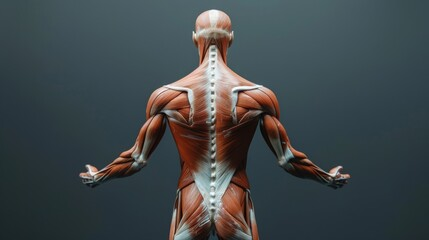
Bowen therapy, Bowen treatment or Bowen therapeutic technique, research is still growing, but supporters think it works with the autonomic nervous system. This system controls body functions that we normally don’t think about such as breathing, heart rate, and digestion. In simple terms, it sends signals to this control center. It encourages a shift from a stressed state of the sympathetic nervous system, often called fight-or-flight, to a calmer state of the parasympathetic nervous system. This is known as rest-and-digest, or in this case, rest-and-heal.
The Role of Fascia and the Autonomic Nervous System
Think of the fascia as a thin web or network around your muscles, organs, and nerves. If there is tension or a blockage in one area, it can affect the whole body. this technique uses gentle rolling movements on the fascia to help it relax and let go.
This therapy helps more than just the body. It also affects the autonomic nervous system. Gentle movements on soft tissue send messages through the nerves to the brain. This encourages a shift from stress to calm and healing. It’s like pressing the reset button on your nervous system. This allows your body to release deep tension and find balance.
Impact on Pain, Tension, and Circulation
Daily events can cause stress hormones to rise, your sympathetic nervous system to work hard, and your blood flow to be challenged. This is where this therapy may help.
It aims to calm the sympathetic nervous system and get the parasympathetic nervous system working to help your body release tension. With less stress, blood vessels can relax and do their job better. They can send oxygen and nutrients to your tissues while getting rid of waste. Better circulation, along with reduced muscle tightness, can effectively fight pain.
Practical Applications of Bowen Treatment
The goal is to restore balance in the body. It can provide many benefits and is frequently used as a complementary treatment for different conditions. This gentle therapy can help with musculoskeletal pain, injuries, stress-related issues, and there has been some success with some long-term illnesses such as Parkinsons Disease, Multiple Sclerosis and Cerebal Palsy. The uses are wide-ranging.
Common Conditions and Ailments Addressed. It’s Not Just for Relaxation.
While research is still happening, people report that the Bowen treatment has helped with many health problems. Keep in mind that Bowen therapy is meant to go along with regular medical care, not replace it. Here are some common reasons people look to this therapy:
-
Musculoskeletal Issues: If you have lower back pain, spinal issues or neck stiffness, perhaps from too much desk time, Bowen therapy might help reduce the pain and improve your movement. Sports-related injuries and posture challenges have also been improved through Bowen Therapy.
-
Stress and Anxiety: If you feel stressed and overwhelmed, this is believed to help you relax deeply, which may reduce anxiety and help you sleep better.
-
Headaches and Migraines: It has been used to help manage headaches and migraines by impacting the nervous system and relieving muscle tension.
-
Auto-immune conditions, digestive issues, respiratory issues and pre-natal/post-natal conditions have been improved through Bowen Therapy.
Integration with Conventional Medicine
It can work well with regular medicine and support other treatments you may be receiving. For example, if you are receiving physical therapy for an injury, this might help by reducing muscle tightness and helping you relax.
Talk openly with your healthcare providers about all the therapies you are using. This helps everyone work together to create a treatment plan tailored for you. Remember, the goal is to help you take an active role in your well-being.
What Training is Required?
Choosing the right therapist is important for a safe and effective treatment. Most US states require therapists to be licensed in massage therapy or another healthcare field. The American Bowen Academy offers certification and training for practitioners and instructors.
Training includes 144 hours of in-person training and specialized education in the mind-body connection to health. Focus includes nutrition, functional muscle anatomy, meridian medicine, and anatomy and physiology.
Look for therapists who are registered with respected professional bodies such as the Complementary and Natural Healthcare Council (CNHC). This shows they have completed thorough training in Bowen therapy. You should ask about their experience and qualifications before you book a session.

What Can I Expect During My Bowen Therapy Session?
The therapist should start by asking questions about your health, history and any areas where you may have issues. Don’t worry; you will stay fully dressed during the treatment.
Some report feeling a special rhythm during the session. The therapist will use their thumbs and fingers to make gentle rolling movements on certain spots on your body. After some movements, they will step out of the room for a few minutes. These breaks are important for the therapy. They help your body to take in what is happening and respond to it.
Aftercare Tips
It is highly recommended to avoid other healing modalities and new physical input to your body the day of and for a week after a Bowen treatment. This includes physical therapy, massage, acupuncture and new exercises. This allows the body to integrate the effects of the treatment.
After your Bowen treatment session, you may feel very relaxed. It can be like you just came out of a deep meditation, and who wouldn’t love that? To get the most from your treatment, here are some simple aftercare tips:
-
Stay Hydrated: Just like after any bodywork session, drink plenty of water. This helps remove toxins and supports your body’s healing.
-
Take it Easy: Try not to do any hard activities for the rest of the day. Let your body adjust to the treatment and enjoy how relaxed you feel.
-
Listen to Your Body: Notice any changes or feelings in your body in the days after your session. You might find you are more flexible, you feel less pain, or your mood is better. These signs show that Bowen therapy is helping you.
Does Insurance Cover Bowen Therapy?
This is a type of complementary medicine. Because of this, insurance coverage can vary. Some insurance plans do see the benefits and may cover part of the cost. This is more likely if you have a referral from your primary doctor.
It’s a good idea to reach out to your insurance provider to ask about their rules for Bowen therapy coverage. They can give you the most current details based on your specific plan and any rules you need to follow. Also explore the opportunity of using your Flexible Spending Account (FSA) if it is included in your insurance plan.
Speak to a potential therapist about Bowen treatment session packages that they offer or, perhaps, a payment plan, if insurance is not an option.
Additional Reading
The Effects of the Bowen Technique on Hamstring Flexibility Over Time: A Randomized Controlled Trial
What is Bowenwork®? A systematic review
Improved Motor Function with Bowen Therapy for Rehabilitation in Chronic Stroke: A Pilot Study