We’re diving into the Alexander Technique. It’s all about changing how you move and go about your daily stuff, especially if you’ve got back pain, tight muscles, or just some habits that make you feel uncomfortable.
We’ll explore where the Alexander technique started and how it has spread over time. We’ll talk about its role in various approaches to health and you’ll learn what to expect the first time. We’ll shed light on the ideas behind this technique – like being more aware of how you move, stopping those poor posture habits in their tracks, and thinking differently about direction.
What is the Alexander Technique? How does it work?
The aim of the Alexander Technique (AT) is to teach people how to improve their posture and movement patterns. By training the mind and body to release tension, the technique helps individuals move more efficiently promoting better alignment and coordination.
It’s about learning a new way to move and hold yourself in a natural balance and focusing on the relationship between thinking and movement. With guidance from an Alexander Technique teacher, students work on mastering ‘primary control’. This means getting your muscles and nerves to work together harmoniously.
Whether you’re dealing with poor posture, chronic pain and aches, stress, or merely interested in overall wellness, AT offers a mindful approach to improving the quality of your life.
Roots and Evolution
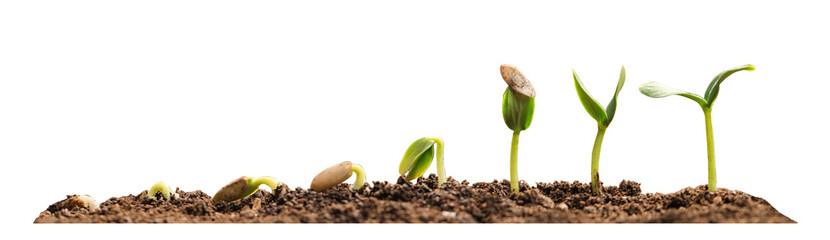
It was developed in the late 1800’s by Frederick Matthias Alexander, an Australian actor who suffered from chronic voice problems. Alexander embarked on a personal journey to discover the root cause. Through careful observation and experimentation, he realized that his problems were due to bad habits of posture and movement. Developing a series of principles, he managed to restore his voice.
His technique soon gained recognition in England and the U.S. Throughout the 1900’s, it attracted performers and athletes and today it is practiced worldwide to enhance body awareness, improve posture, and promote holistic health.
Practical Applications in Alternative Medicine
AT can be used with massage to help become more aware of the body and feel more relaxed. It’s also being explored as a method for dealing with health conditions like osteoarthritis by helping folks improve how they stand and move. It has flexibility in alternative medicine, giving people a well-rounded way to improve wellness.
Synergy with Western Medical Practices
Many people are turning to this technique to help with physical therapy. Big names like UK’s National Health Service (NHS) and the Department of Health have started saying there’s good proof that this method can make a real difference for folks dealing with long-term back pain, neck pain, or Parkinson’s disease.
What to Expect During a Session
It’s important to find a qualified teacher if you plan to take Alexander Technique lessons. During the initial session, they will watch how you move and help you improve by instructing and by helping with their hands.
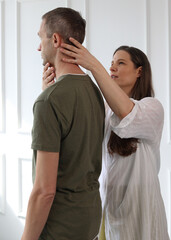
The number of lessons will depend on the issue and how much you want to learn. You may practice sitting down or rising from a chair more smoothly or walking in a way that’s easier on your body. If you are a performer, you may focus on specific movements. Your teacher may use techniques with their hands to ease muscle tension and give feedback.
Equipment and Resources Needed to Get Started
A few things can make your journey smoother and more enjoyable:
- Comfortable clothing: Wear clothes that are loose and let you move freely.
- Mirror: Check how you’re moving and make changes.
- Yoga mat or cushion: Add extra comfort when doing floor exercises.
Mindful Movement: Posture and Poise
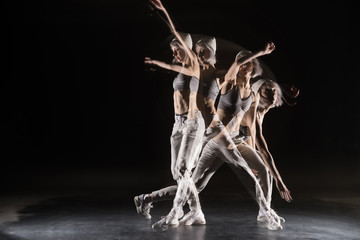
AT is about moving with more thought and paying attention to how you do your everyday stuff. By being mindful, you can create habits of standing or sitting straight, easing stress on your body, and carrying yourself with grace and balance. It applies to everything you do like rising from a chair or walking around doing chores.
Step 1: Cultivating Awareness of Movement
The first key is to pay attention to how you move. By being more aware when you’re moving, you can start fixing bad habits right away. This means watching how you walk, sit, or stand during the day and noticing if something feels off. With time and effort, it becomes easier to notice those signs that you’re falling back into those old habits.
Step 2: Learning to Inhibit Harmful Postural Habits
The next thing is to stop your bad posture habits. Take a moment before making any usual movement and think about doing it in another way and give yourself the chance to make better choices. It can help you relax more and figure out easier, less painful ways to move and open up new chances for moving in healthier ways with less strain on our bodies.
Step 3: Implementing Directional Thinking
Steer your movements by focusing on what you want to achieve. For instance, if fixing your posture is the goal, imagine making your spine longer and wider. This way of thinking guides how you move and helps relax muscles that don’t need to be tense.
Step 4: Applying Techniques to Everyday Activities
Make these methods a regular part of life. By stopping unnecessary actions and thinking about direction you can feel less stiff or tense. Keeping at it regularly, this becomes a normal thing – feeling more comfortable with movement during everyday activities.
Insurance Coverage and Alternative Payment Options
Insurance coverage varies. Some companies may offer coverage when used in conjunction with mainstream healthcare treatments. However, when used as an alternative to conventional medicine, coverage may be limited or not available.
If insurance does not cover it, there are alternative payment options to make sessions more affordable. Many teachers offer package deals or discounted rates for multiple sessions.
Recommended Books
These books dive into AT and how you can use it.
- “The Use of the Self” by F.M. Alexander – Alexander shares his thoughts on its core ideas and offers tips on how to improve how you stand and move.
- “Body Learning” by Michael J. Gelb – A solid start on understanding AT, it is filled with easy explanations and exercises.
- “The Alexander Technique: A Skill for Life” by Pedro de Alcantara – It looks at everything from physical health to mental peace through practicing this technique.
Useful Products for Practicing the Alexander Technique
These things can keep you focused, make sure you’re aligned, and bring the ideas of AT into everyday life.
- Foam rollers: Ease tight muscles and become more aware of your body.
- Yoga mats: Doesn’t slip, gives you a safe spot to practice AT.
- Posture cushions: Helps proper back alignment.
- Ergonomic chairs: Encourage sitting properly.
- Mindfulness apps: Teach mindfulness and how to pay attention to your body.
Conclusion
In a world full of stress, AT shines as a guiding light for mindfulness and better movement. With AT, you’re stepping into a space where your mind and body work together harmoniously. Prepare for increased awareness and stop bad posture habits that might be holding you back. Let simple daily activities become exercises in being mindful, reducing tension and enhancing your overall health!
Additional Reading
Video: The Alexander Technique
Alternative Medicine: Does it Play a Role in the Management of Voice Disorders? – Journal of Voice