The Feldenkrais Method helps people understand their movement better and shows how movement affects overall health. This method is seen as a type of alternative medicine that focuses on physical challenges but also looks at the mental and emotional sides of movement. This method can help reduce chronic pain, improve flexibility, and help people feel more comfortable and graceful in their daily lives.
Understanding the Feldenkrais Method
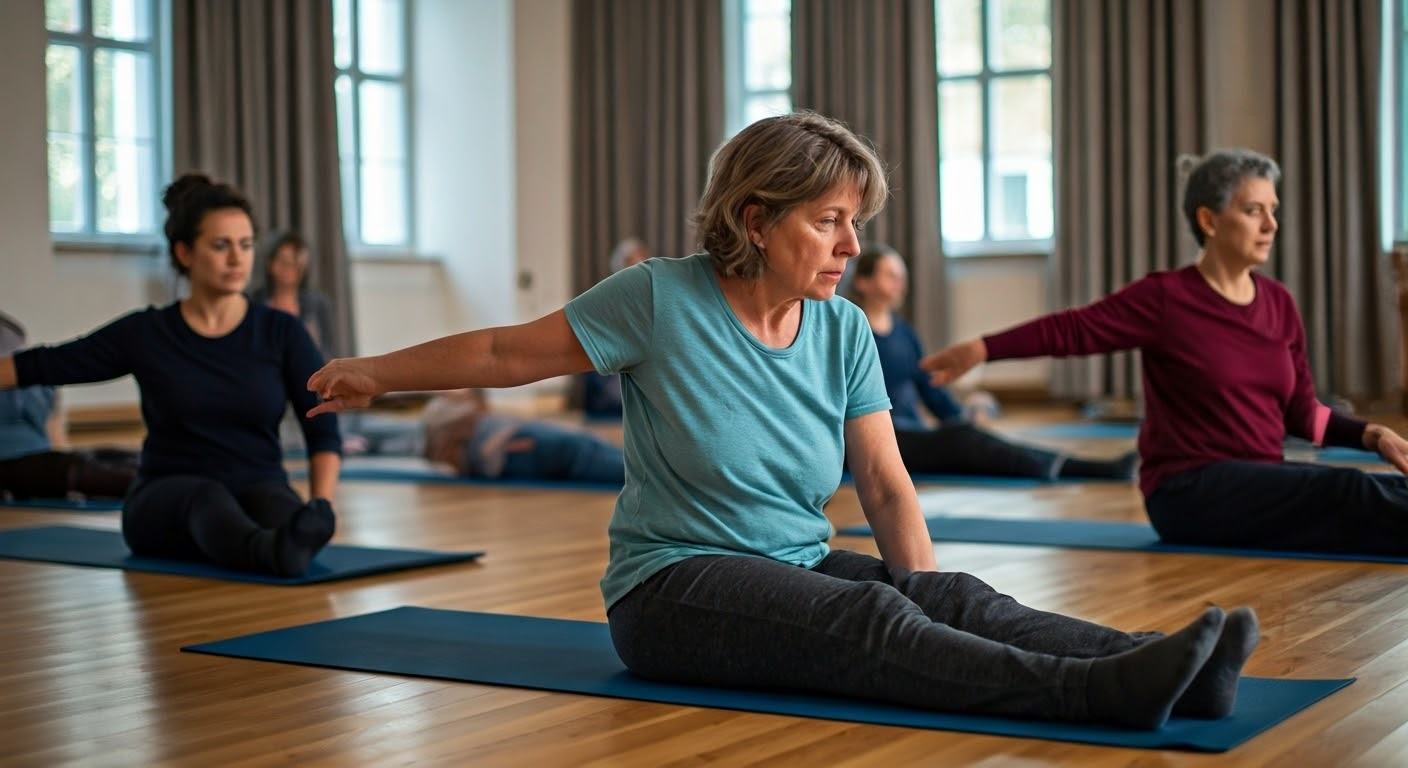
The Feldenkrais Method is based on the idea that our brains can learn and relearn at any age. It uses gentle and mindful movements to help us understand our regular movement patterns. This can improve our posture, flexibility, and overall ability to function. Instead of just focusing on symptoms, the method tackles the real causes of physical limits, promoting lasting positive changes.
A key part of Feldenkrais is neuroplasticity. This means the brain can change by forming new connections. It encourages people to explore and learn through movement which can help them find easier and better ways to move and engage with the world around them.
The Origins and Evolution of the Feldenkrais Method
In the mid-20th century, Moshe Feldenkrais, a physicist and engineer, created this method as a result of a personal knee injury. He had knowledge in martial arts, physics, and human development which helped him build a system that linked the body and mind together.
Feldenkrais noticed that people often develop imbalanced movement patterns without realizing it. These patterns can cause limitations, discomfort, and poor efficiency when moving. He believed it was important to make these patterns known so people could improve how they move.
Over the years, his method became more popular. It grew into a complete system with group classes and personal sessions. Today, this method still helps people around the world to regain their ability to move gracefully and without pain.
Key Principles and Philosophies Behind the Feldenkrais Technique
It is based on the idea that movement is a key part of being human. It affects not just our bodies, but also our thoughts, feelings, and how we connect with others. By paying attention to how we move, the method helps us see more possibilities.
Instead of aiming for a set goal, Feldenkrais encourages us to explore and learn. It helps people look at different ways of moving. They can notice small changes and find patterns that limit their range of motion or cause discomfort.
This journey of self-discovery helps people become more aware of their bodies. It improves their ability to move easily, smoothly, and with better coordination, promoting self-empowerment and a deeper understanding of the body.
The Science Behind Feldenkrais

The Feldenkrais Method is based on learning from experience. It also matches scientific ideas about the nervous system and neuroplasticity. Studies show that paying close attention to movement can change how the brain works. This can help with skills like motor control, coordination, and sensory awareness.
Neuroplasticity is the brain’s amazing ability to change and grow throughout life. It is the scientific basis of this method, and it focuses on how the brain can adapt and grow. The nervous system is like our body’s control center. It manages movement, how we feel things, and how we react to the world around us.
It shows that long-lasting pain, stiffness, and limitations can come from tight patterns and unhelpful movements stuck in our nervous system. When people do the gentle, searching movements of Feldenkrais, they are talking to their nervous systems and giving their brain important sensory feedback. They create new neural pathways and improve the ones they already have. This helps the brain move away from old, and often unhelpful, movement patterns allowing for new possibilities.
As the nervous system adjusts, many find less chronic pain. They may also notice more freedom in their movements and better overall mobility. Research on the method’s effectiveness has shown positive results. The changes in the nervous system lead to long-lasting improvements in posture, flexibility, coordination, chronic pain and neurological disorders.
Feldenkrais in Practice
There are two main parts: Awareness Through Movement (ATM) and Functional Integration (FI). With both methods, Feldenkrais practitioners help people with slow, careful movements. They teach individuals to notice their feelings more closely with the aim to help bring back the body’s natural ability and create a stronger bond between the mind and body.
Awareness Through Movement (ATM) classes are usually in a group setting. A trained Feldenkrais practitioner guides people through movement sequences and encourages them to try new movement patterns.
Functional Integration (FI) sessions provide one-on-one guidance that is designed to meet your individual needs and movement patterns.
Integration in Western Medicine
Often seen as a complementary therapy, the effectiveness of the Feldenkrais method is being recognized in Western medicine, especially in physical therapy and rehabilitation. This method is gentle, making it attractive for older adults with mobility or balance, or those healing from injuries, surgeries or those with neurological issues.
Many physical therapists use these ideas in their treatment plans. They know it helps improve awareness of movement and promotes good movement patterns. By focusing not just on the injury but on how the body works together, this method helps in the recovery process in a more complete way.
Complementary and Alternative Medicine Approaches
This method is considered a form of alternative medicine as it focuses on connecting the mind and body for better health. It is similar to Tai Chi, Qigong, and the Alexander Technique, which all understand that movement, breathing, and awareness are connected.
Feldenkrais, like Tai Chi, promotes slow and smooth movements. These movements help with body sensation, balance, coordination, and relaxation. It also highlights the importance of being aware of our bodies and noticing small changes, much like Qigong, which helps with energy flow.
Feldenkrais is also similar to the Alexander Technique. Both approaches work on bettering posture and reducing usual tension in the body.
Real-world Applications

The Feldenkrais Method is not just theory; it has real-life uses that show its powerful effects. Many people share stories of how it has changed their lives. This includes athletes looking to perform better and those dealing with chronic pain.
Athletes use it to sharpen their skills, become more flexible, and avoid injuries. Musicians and dancers also benefit. They find it helps them move gracefully, improve coordination, and express themselves better.
Conditions Treated by Feldenkrais
While not a substitute for medical treatment, the Feldenkrais Method demonstrates promising results in addressing a wide array of conditions, particularly those related to musculoskeletal and neurological health. Its gentle, adaptable nature makes it suitable for individuals of varying ages and physical abilities.
Research suggests that it can be an effective adjunct therapy for managing chronic low back pain, improving balance and coordination in older adults, and enhancing functional mobility in individuals with neurological conditions.
Testimonials reveal that this method has helped with other conditions, such as Parkinson’s Disease, Multiple Sclerosis and stroke recovery, to increase the quality of life.
Training and Certification for Practitioners
Becoming a certified practitioner requires a detailed training program that usually takes several years. People who want to become practitioners start an in-depth journey that includes both theory and hands-on practice.
Training programs, led by skilled practitioners, cover topics like anatomy, physiology, and movement analysis. They also focus on the key ideas of somatic education. Trainees spend a lot of time practicing. They give and receive Functional Integration sessions to understand the method better. When they finish the program and complete the required practice hours, they earn their certification.
What to Expect in Your Feldenkrais Session?
Similar to a yoga session, in an Awareness Through Movement (ATM) class, you will do gentle and sometimes unusual movements while lying or sitting comfortably on a yoga mat on the floor in a group setting. The teacher will guide you to move with awareness. You’ll pay attention to small sensations and try different ways to move.
In a Functional Integration (FI) session, you’ll receive personalized help. The practitioner will use gentle touch and talk to you to help you find easier ways to move. Your comfort and speed are most important, making sure you feel safe and supported as you explore and discover.
How long does it typically take to see improvements with the Feldenkrais Method?
Typically, the Feldenkrais Method can impact the effectiveness of movement within a few sessions, often around 6-8 weeks. Consistent practice and active participation in lessons are key to experiencing long-term benefits such as improved posture, movement efficiency, and reduced pain or tension.
Insurance and the Feldenkrais Method
Coverage for the Feldenkrais Method can be different based on your insurance plan, the credentials of the practitioner, and the reason you seek treatment. Some plans may cover Feldenkrais sessions if they are considered important for your care and suggested by a doctor. This is especially true for cases like chronic pain or recovery after surgery.
It’s important to contact your insurance provider directly. Ask them about coverage for the Feldenkrais Method. You should share details about the practitioner’s qualifications, your health issues, and any medical referrals you have. Be ready to advocate for yourself. You may even need to submit a letter of medical necessity from your doctor if your coverage request is denied at first.
Also consider the potential of a Flexible Spending Account (FSA) which covers some treatments and equipment. Additionally, the practitioner may offer package specials or discounts or be willing to work with you on a payment plan.
Additional Reading
Movement-Based Therapies in Rehabilitation
Movement Disorders: Is the Feldenkrais Method Effective?
Moshe Feldenkrais, D.Sc. – A Biography
The Effectiveness of the Feldenkrais Method: A Systematic Review of the Evidence