Qigong, or qi gong, comes from traditional Chinese medicine. It is an old practice of physical exercise that helps to connect the mind, body, and breath. This helps to balance “qi,” which is the vital energy inside us. Practicing qigong can improve health in many ways. It also allows people to connect with themselves better and increase their well-being.
The Essence of Qigong and Its Historical Roots
The history of qigong goes back more than two thousand years in Chinese culture. This practice has always been linked to traditional Chinese medicine and It aims to improve health and help people live longer. There is proof of exercises similar to qigong from the Han dynasty.
After the Cultural Revolution, it became popular again. Millions of people began to follow its ideas for better health and well-being. Today, qigong is still growing and it combines its traditional roots with a focus on scientific understanding.

The Science Behind Qigong
Qigong focuses on “qi,” often called “life force” or “vital energy.” This energy moves through pathways in the body called meridians and helps nourish our organs and tissues.
When qi flows freely and is in balance, our bodies stay healthy but when there are blockages or imbalances, it can lead to illness. This technique helps to restore the natural flow of qi.
Research is still ongoing, but studies show its possible benefits. New evidence from reviews suggests that it may have a good effect on different bodily systems. For example, some studies have looked at how it might affect the autonomic nervous system. This system helps control important functions like heart rate, blood pressure, and digestion.
As more people show interest in integrative health practices, it is likely that research on qigong will grow too.
How Qigong Influences the Mind-Body Connection
Central to qigong’s ideas is the close link between the mind and body. This practice understands that how we think and feel can affect our physical health, and what happens to our body can impact our feelings. By working on breathing, moving, and focusing our attention, it helps create balance and harmony between our mind and body.
Many people who practice this regularly find that it improves their awareness of how they feel giving them a greater sense of stability in life. Also, the focus on deep, rhythmic breathing can help the nervous system regulate and reduce the body’s stress response.
Qigong Vs. Tai Chi: Clarifying the Differences
Qigong and Tai Chi are often mentioned together due to their similarities, but they have distinct differences. Qigong primarily focuses on the cultivation of the body’s qi through slow, deliberate movements, breathing techniques, and meditation. In contrast, Tai Chi incorporates these elements as well but is also a martial art with a defined sequence of movements or forms. While Qigong is more static and meditative, Tai Chi involves continuous, flowing movements that simulate combat. Understanding these nuances can help individuals choose the practice that aligns best with their goals, whether it be for health benefits or martial arts training.
Preparing for Your Qigong Journey

Starting a journey can be a great way to improve your body and mind and enrich your spiritual practice. Anyone can try it, and you do not need past experience or special skills to start.
You can join a class or learn online. Focusing on the basics like posture, breathing, and movement will help you to enjoy the benefits.
Essential Equipment and Space Requirements
You don’t need much equipment, and you can begin without spending a lot of money. Here are some basic items that can help you:
- Wear loose clothes that let you move freely.
- You can do qigong barefoot, but flat, flexible shoes can help you feel stable.
- A yoga mat or soft surface can keep you comfortable, especially for kneeling or sitting.
You also don’t need a special studio to practice. A quiet space in your home or a peaceful outdoor spot is good enough. Just make sure you have room to move your arms and legs comfortably.

Finding the Right Instructor or Online Resource
If you want guided lessons, find qualified qigong practitioners. It’s important to look for instructors certified by well-known groups like the National Qigong Association. A good instructor can help you with proper form and breathing techniques and can give you modifications based on your needs and physical challenges.
You can also learn using many online resources. Good websites and apps offer a simple way to learn at your own speed. Make sure to choose programs that have clear instructions and safety tips along with some modifications.
Whether you are learning in person or online, start with easy practices. Then, you can gradually move to more advanced forms. This approach is important for a safe and enjoyable qigong experience.
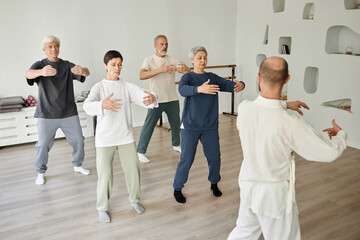
Step 1: Understanding the Basics of Breathing and Posture
First, you need to learn about your natural breathing pattern. Pay attention to how your abdomen rises and falls when you breathe in and out. Later, you will practice breathing techniques like diaphragmatic breathing. This helps you take deep breaths that fill your body with oxygen and soothe your mind.
Correct posture is also very important. It teaches you to sit or stand in an upright but relaxed way. This allows the vital energy, or qi, to flow freely. To do this, keep your spine straight, relax your shoulders, and slightly bend your knees. This creates a stable and comfortable base for your practice.
By learning how to connect your breath and posture, you are on your way to gaining the vital energy that qigong focuses on.
Step 2: Learning the Fundamental Movements
Once you have a good grip on breathing and posture, you can start learning basic movements. These movements are usually gentle and flowing. Forms of qigong, like the Eight Pieces of Brocade or the Five Animal Frolics, use these movements in patterns.
As you get used to the basic movements, you will understand better how to move your body with your breath.

Step 3: Integrating Meditation and Mindfulness Practices
Movement is a key part, but its meditative side is also very important. Adding meditation and mindfulness to your daily routine strengthens the link between your mind and body and It helps you find peace within yourself.
Start by focusing on your breath. Pay attention to how it feels as you breathe in and out. As you get more comfortable, try using guided meditations or visualizations. These tools can help you concentrate better and relax.
Step 4: Establishing a Regular Practice Routine
Consistency is important to get the most benefits. It helps to have a regular practice routine, even if it’s just a few minutes each day. This way, your body and mind can get used to the practice and enjoy its rewards.
Like with any new habit, start slowly. You can increase how long and hard you practice with the goal to find a pace that feels good and is easy to stick with.
You can choose to start your day with qigong movements that wake you up or end your day with calming exercises.
The Therapeutic Applications of Qigong
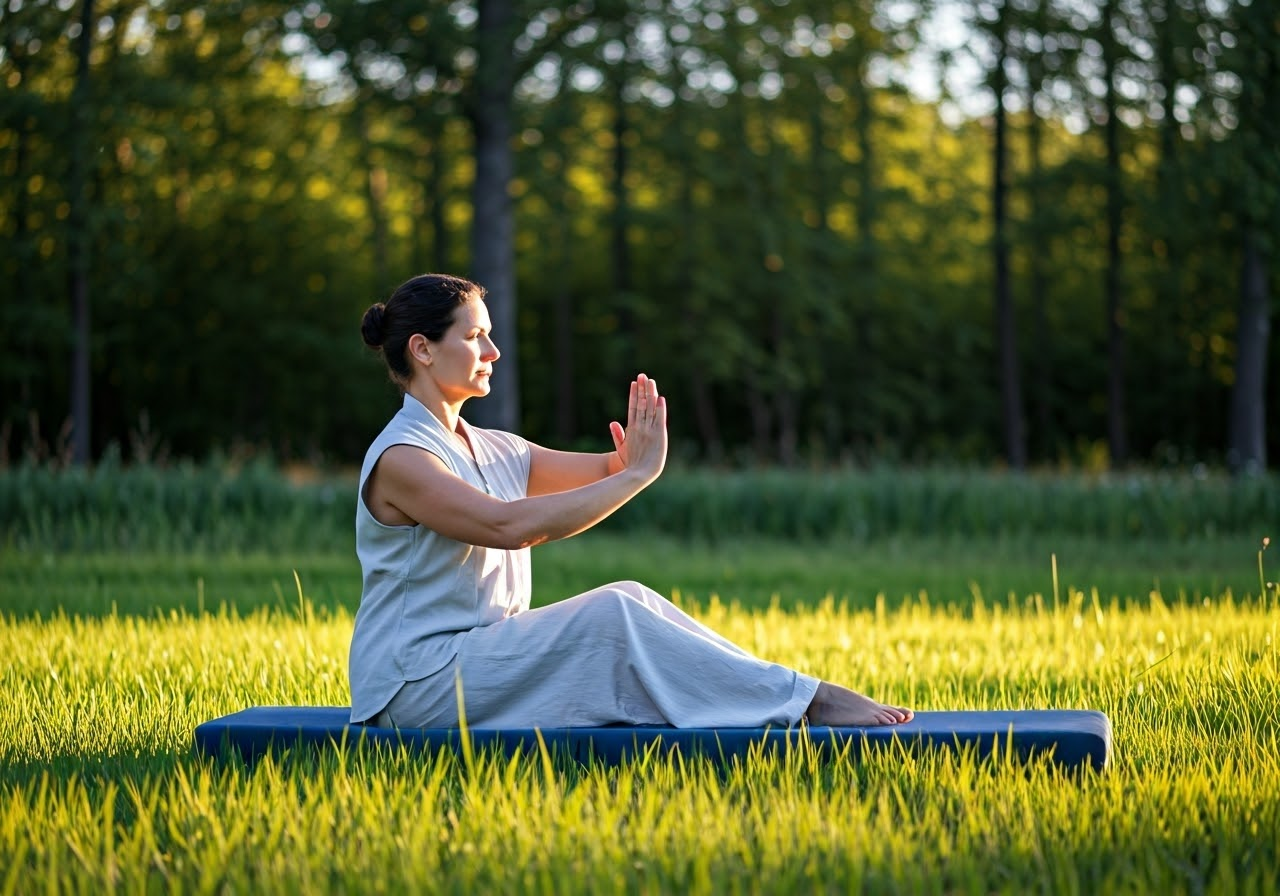
While not a substitute for traditional medicine, it has been used for healing for a long time. It can help manage different health problems and boost your quality of life.
More studies are being done which has led to more people in the integrative health field wanting to look into how it can help with specific health issues.
Managing Stress, Depression and Anxiety Through Qigong
In our fast-moving world, it’s very important to find good ways to manage stress, depressive symptoms and anxiety. Focusing on deep breathing, gentle movement, and being mindful, it can be a great helper in calming your mind.
This practice helps to turn on the parasympathetic nervous system. This system fights against the body’s stress response to calm you down. When this shift happens, you can relax more, your heart rate gets slower, and your muscles feel less tight. This helps you handle problems more calmly.
Qigong for Chronic Pain Management
For people with chronic pain or chronic illness, it can be a gentle and helpful way to ease symptoms. Some movements focus on specific body parts to boost circulation and relieve tension, providing relief from pain.
A lot of studies have shown improvements in the symptoms of cancer, Parkinson’s Disease and high blood pressure through qigong.
It also connects the mind and body, which helps manage pain. By paying attention to your breath and sensations inside, you can learn to handle pain better.
Enhancing Immune Function with Qigong Practices
A strong immune system is important for good health and well-being. Some suggest that this may help improve immune function.
The deep breathing exercises have also shown to help with lymphatic drainage. This is important because it helps remove toxins from the body and supports the immune response.
Qigong in Western Medicine

While Western medicine usually treats specific illnesses, integrative health looks at the whole person—mind, body, and spirit.
Many healthcare providers now see the potential benefits. They view it as a helpful therapy alongside traditional medical treatments. Many studies show the positive results and it may soon become part of regular healthcare.
Safety, Risks, and Considerations
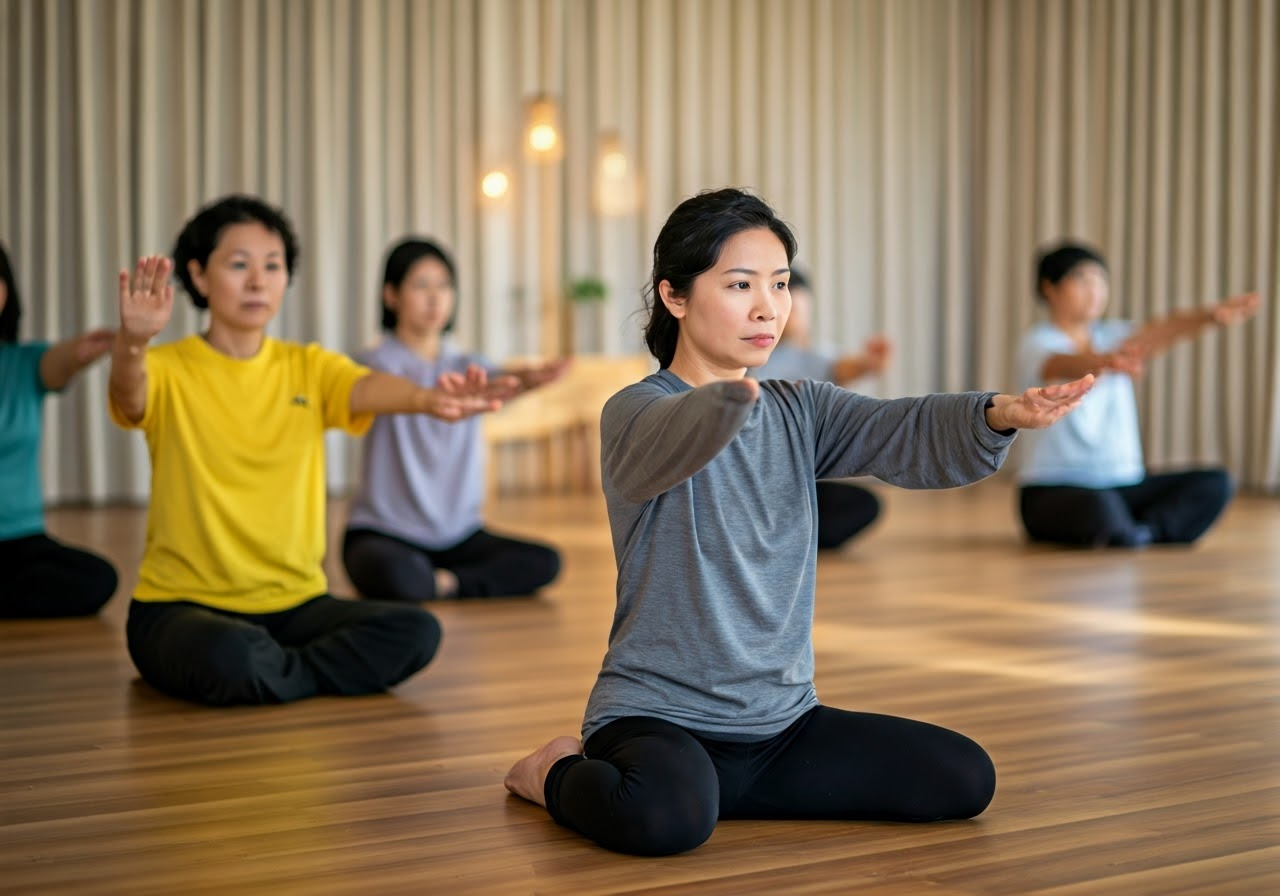
For many people, it is a safe and easy physical activity with few chances of causing issues. Still, it’s important to be careful and pay attention to your body during practice. You should change movements if needed and stay away from any that hurt or make you uncomfortable.
Some studies have not shown serious side effects, but it’s best to talk to your doctor before starting. This is especially important if you have health conditions, are pregnant, or are healing from surgery.
What to Expect During and After a Qigong Session
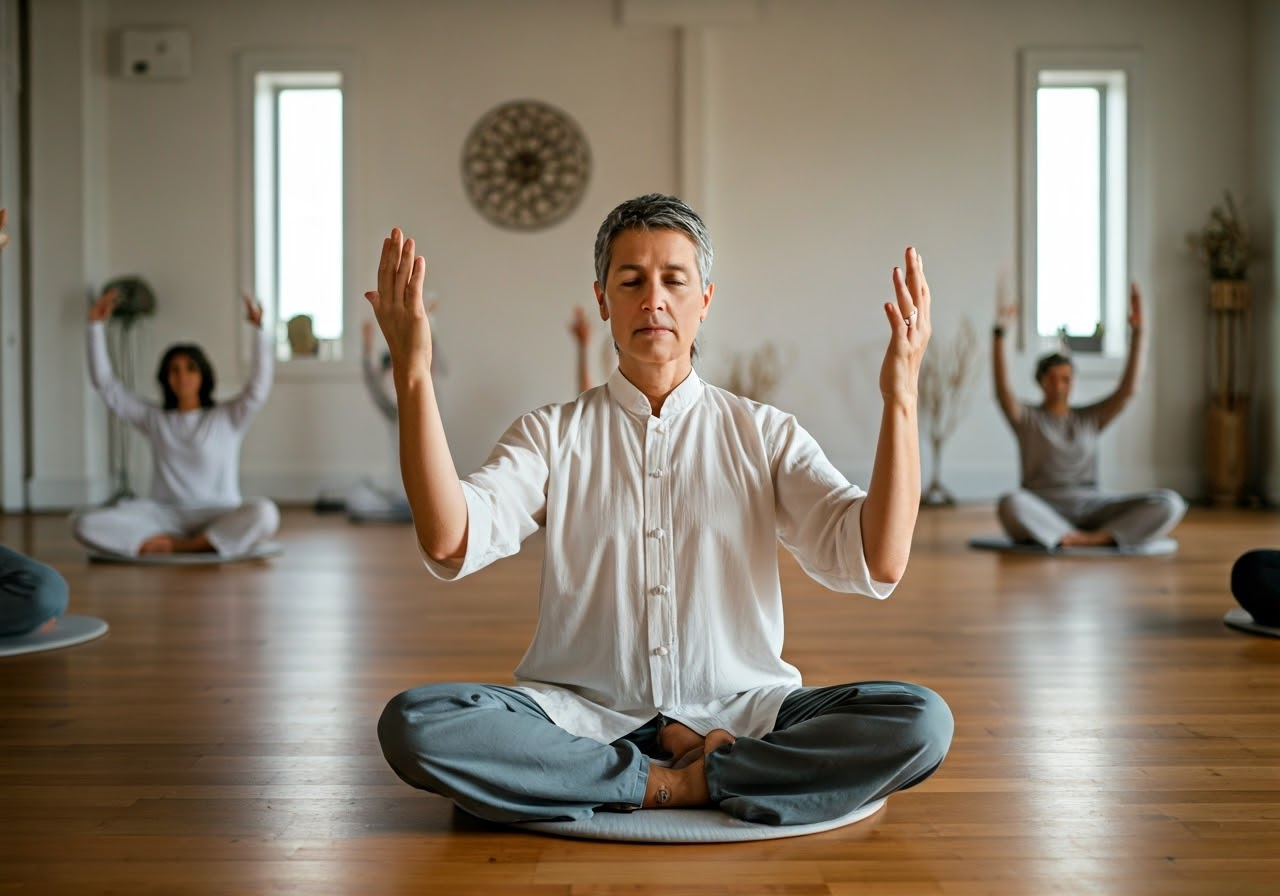
During a session, you can expect to feel very relaxed in your body and mind. The mix of deep breathing, gentle movements, and focused thoughts helps calm your mind and ease tension in your body. Many people say they feel more energetic, less stressed, and more aware after a session.
Physical and Mental Experiences During Practice
The physical and mental feelings during a session can change depending on the type you practice. Some common feelings are warmth or tingling in the body, more energy and freshness, better balance and coordination, as well as deep relaxation.
For those who have mental health conditions like stress, anxiety, or mild depression, qigong could bring a feeling of calmness, better focus, and help with controlling emotions. The gentle movements and deep breathing work well to calm a busy mind.
Remember that everyone has their own reaction. It is important to try this practice with an open mind and to be curious about your own experiences.
How Long Does It Take to See Benefits from Qigong?
The time it takes to feel the positive effects is different for everyone. It can depend on how often you practice, your health conditions, and the types you do. Some people may feel quick benefits, like less stress or better sleep quality, after just one or two sessions.
However, for larger or longer-lasting changes, such as managing chronic pain, having more energy, or improving your quality of life, you will likely need to practice consistently for weeks or months. It’s important to see it as a journey and not a quick fix.

Understanding the Direct Costs of Practice
When you think about direct costs, qigong is less expensive compared to other exercises or mind-body practices. You don’t need special equipment to start, which helps lower costs.
Group classes usually cost between $15 and $30 per session. Discounts are often available if you take several classes. Private lessons, which give you personal attention, can cost between $50 and $100 or more for each hour.
Online resources are also a good choice for saving money. Many reliable websites and apps offer free beginner courses or monthly subscriptions that cost between $10 and $20.
Exploring Insurance Coverage for Qigong Therapy
As integrative health becomes more popular, some insurance companies are starting to see the benefits of qigong. They may offer coverage for medical qigong. Medical qigong is usually practiced by licensed acupuncturists or other healthcare professionals.
You should contact your insurance provider and ask them if they cover medical qigong and for what services you can get reimbursed. They can also tell you what kind of documents are required.
It is important to speak up for yourself when it comes to insurance questions. Don’t be afraid to ask for clear answers about their policies on qigong therapy. You have the right to advocate for your health needs. Look into options like flexible spending accounts (FSAs) or health savings accounts (HSAs). These accounts let you use pre-tax money for certain health and wellness costs.
Learning Resources and Products

If you want to learn more after basic classes, there are many resources you can explore. You can read books by well-known qigong masters and practitioners. These books offer deep insights into the philosophy, history, and different forms of qigong.
You can also find helpful accessories to improve your practice. Items like meditation cushions and instructional DVDs are easy to get.
Recommended Books for Deepening Your Qigong Knowledge
Many books give great information about the ideas and methods. “The Way of Qigong: The Art and Science of Chinese Energy Healing” by Kenneth S. Cohen is a perfect choice for beginners. It gives a complete look at the background, beliefs, and different types.
If you want to learn more about how it connects to traditional Chinese medicine, check out “Chinese Medical Qigong” by Professor Jerry Alan Johnson. This book looks closely at its healing uses.
Accessories and Products to Enhance Your Practice
While you do not need much gear, some items can make your practice easier and nicer, especially as you get better.
A good meditation cushion or bench can help you keep the right posture when sitting or kneeling for a long time. These cushions can keep your spine straight and stop you from feeling uncomfortable. You might also find a DVD or online video series helpful, especially if you like to learn at your own speed.
Additional Reading
Effects of Qigong on Systolic and Diastolic Blood Pressure Lowering
The Effect of Qigong-Based Therapy on Patients with Parkinson’s Disease
Benefits of Qigong as an Integrative and Complementary Practice for Health
Impact of Medical Qigong on Quality of Life, Fatigue, Mood and Inflammation in Cancer Patients
Qigong-Based Therapy for Treating Adults with Major Depressive Disorder