Feeling stressed or unwell? Aromatherapy is a type of alternative medicine that focuses on essential oils and their positive impact on health and well-being. This has been a practice for many years, with many people turning to it for improvement in health problems such as anxiety and poor sleep. People around the world love these strong plant extracts. Let’s explore this wonderful world and see how they may improve your well-being!
Understanding Aromatherapy and Essential Oils
Aromatherapy treatment is about using essential oils to help with wellness. It is a natural way to improve your well-being, taking care of both your body and mind. Aromatherapy is the inhalation or bodily application (think massage) of essential oils from flowers and fruits for therapeutic purposes to improve the physical, emotional and spiritual body. The use of aromatherapy oils has been shown to have many benefits.
Essential oils are concentrated plant extracts that retain their natural scent and are very strong. They each have their own unique smell and benefits. For example, lavender helps you relax, while peppermint gives you energy. There is a lot to discover with these scents!
How Does Aromatherapy Work? Aromatherapy Uses Explained
Although research is still developing, studies show that the various scents affect different systems in our bodies, like the nervous system and the immune system.
One theory behind the effectiveness is its link to the limbic system through the amygdala. The limbic system is often called the “emotional brain.” It helps control our emotions, memories, and sense of smell. When we breathe in essential oils, the molecules travel through our nose and reach the olfactory bulb. This bulb sends messages to the limbic system, which can create positive feelings and responses in our bodies.
Lavender, sage and chamomile are thought to help calm the nervous system and improve sleep. In contrast, peppermint and rosemary may help stimulate the body, giving you more energy and help you focus. Ginger is known to reduce nausea and eucalyptus helps clear sinuses.
With the immune system tea tree and oregano are known for their antimicrobial properties. This suggests they might help fight off harmful germs. While we need more studies to understand how they work, it is clear that they have healing potential.
The History of Aromatherapy Across Cultures
The roots can be traced back almost 6,000 years. Ancient Egyptians were experts in aromatherapy. They used fragrant oils for many purposes, like embalming and cosmetics. They even wrote about their findings in medical documents, such as the Ebers Papyrus. The Chinese, Indians, Greeks and Romans used them for spiritual, therapeutic, hygienic and ritualistic purposes.
As time went on, these methods changed and expanded around the world. They affected traditional medicine systems, such as Ayurveda in India and Traditional Chinese Medicine.
In India, the use of aromatherapy is linked with Ayurveda. This is a healing system that focuses on balance and harmony in the body. Essential oils are key components in Ayurvedic therapies. The National Association for Holistic Aromatherapy embraces this rich past and supports the safe use of aromatherapy today.
Aromatherapy in the Modern Era
Aromatherapy was recognized in the 20th century in the Western world. Gattefossé, a French chemist, discovered the healing properties of lavender oil when he applied it to a burn on his hand. Jean Valnet, a doctor in the French army, used them to treat burns, skin infections, gangrene and wounds in soldiers during World War I. This helped bring serious research to the study of essential oils and their effectiveness.
Aromatherapy became popular in the U.S. in the 1980’s. Professional aromatherapists continue to build their knowledge by combining holistic aromatherapy principles with modern science to help various medical conditions. Use of essential oils is now used for many things like reducing stress and managing pain. It is considered a helpful addition to conventional medical treatment and is often used in conjunction with other forms of therapy for various health issues including headaches, vomiting and insomnia.
Methods of Aromatherapy Application
Ready to feel the effects of aromatherapy? There are many ways to bring it into your routine. If you love a calming massage or enjoy the gentle spread of scents, aromatherapy can help you feel better in several ways.
Topical Application and Massage
One of the most common ways to enjoy aromatherapy is by using it on your skin. When you put essential oils on your skin, your body absorbs them into the bloodstream, and their healing effects can start to work. However, you should remember that they are very strong and should not go directly on your skin without mixing them first with a carrier oil or lotion.
Examples of carrier oils include almond, jojoba, or coconut oil which help dilute essential oils. Aromatherapy massage makes this experience even better! Imagine a skilled massage therapist helping you relax while the calming scents of lavender or chamomile fill the air.
Here are some popular ways to use them topically:
- Massage Therapy: Adding a few drops of essential oil to carrier oil can boost the effects of a massage. This can help you relax, ease sore muscles, and improve blood flow.
- Baths: A few drops of essential oil in a warm bath can turn your bathroom into a relaxing spa. Just make sure to mix the oils with a carrier oil or Epsom salt before adding to water, since oil and water don’t blend well.
- DIY Skin and Hair Care: You can add essential oils to homemade skin and hair care products to give them a natural scent.
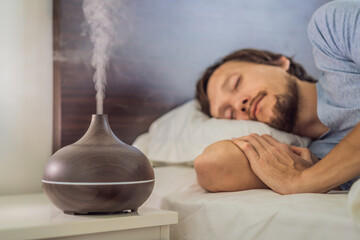
Inhalation and Diffusion Techniques
Remember the strong link between our sense of smell and the limbic system? These methods help us enjoy the emotional and health benefits of essential oils simply by breathing them in.
Diffusers are a common choice for distributing essential oils into the air. They use different methods, like tiny vibrations or gentle heat, to break down the oils into small particles that let their lovely scent fill the room.
Here’s more about different inhalation methods:
- Diffusers: There are many types of diffusers, from sleek and ultrasonic to fancy nebulizers. You can find one that suits your style perfectly.
- Steam Inhalation: Just add a drop or two of eucalyptus or peppermint oil, into a bowl of hot water. Lean over it, cover your head with a towel, and breathe deeply.
- Direct Inhalation: If you need a quick burst of aroma, put a few drops of essential oil on a tissue or cotton ball and take a deep breath. Just remember to keep the oil away from your eyes and don’t let pure essential oils touch your skin.
What are the most popular essential oils used in aromatherapy?
The most popular essential oils used in aromatherapy include lavender for relaxation, peppermint for focus and clarity, tea tree for cleansing properties, eucalyptus for respiratory support, and lemon for a refreshing scent. These are versatile and widely favored in aromatherapy practices.

Benefits of Aromatherapy
While it is not a cure for everything, it can help improve your well-being and health in multiple ways both in your body and mind. It can help relieve stress, improve your sleep, clear your sinuses, manage pain, and support your immune system.
Physical Health Improvements
Many people believe that it can help with physical health, even though research is still being done. Some essential oils, like eucalyptus and peppermint, are good for relieving sinus congestion. They may be useful in natural remedies for colds and flu.
Also, oils such as lavender and ylang-ylang has been shown to help lower blood pressure.
However, remember that aromatherapy should not replace advice from a healthcare provider. If you have any health concerns, talk to your doctor.
Mental and Emotional Well-being
Aromatherapy is not just good for the body; it is also great for the mind and emotions. Our sense of smell is closely linked to our feelings. Essential oils can help us feel relaxed, less stressed, and even happier.
Think about coming home after a tough day. You could put some lavender and chamomile in a diffuser to make your space calm. Using aromatherapy in our daily lives can be very helpful. It reminds us to take it easy, breathe, and focus on taking care of ourselves.
Potential Risks and Precautions
Like any type of therapy, it has some risks and precautions to think about. Remember the strong plant extracts we discussed? The very qualities that make essential oils effective also mean they should be handled carefully.
Before you jump into using essential oils, let’s look at some key safety tips. This way, your aromatherapy experience can be a good one.
Allergic Reactions and Sensitivities
As with any new product, you should always test essential oils before adding them to your routine. Allergic reactions are rare but do happen! To do a patch test, dilute a drop of essential oil with a carrier oil. Then, apply a small amount on the inside of your forearm.
Wait for 24 to 48 hours to check for any redness, itching, or other irritation. If you notice any reactions, stop using it and talk to a healthcare professional. Remember, everyone’s skin is different. What works for one person may not work for another.
Some essential oils, especially citrus oils, can make your skin more sensitive to the sun. If you are using citrus oils on your skin, be extra careful about sun exposure.
Not all essential oils are made the same. It is crucial to use reputable, proven brands to avoid counterfeit and, potentially, harmful oils. Many home and beauty products on the market today present themselves as aromatherapy but use synthetic scents which can contain harmful chemicals. Be mindful of the source of the scent and the different essential oils available to ensure you are exposing yourself to natural products.
Recommended Dosages and Interactions
A little bit goes a long way. If you use more than the suggested amount as it can heighten the risk of side effects.
Essential oils can affect some medications. It’s wise to talk to your doctor or pharmacist before starting aromatherapy. This is especially true if you are on medication, pregnant, breastfeeding, or have health issues.
Think of aromatherapy as a compliment to your wellness plan instead of the only solution.
Aromatherapy Sessions Explained
Interested but don’t know how to begin? Consider booking a session with a qualified aromatherapist. These experts can help you find the right essential oil blends based on what you need and like.
This is like having a personalized wellness experience. It is made just for you to achieve what you want, whether that is relaxation, pain relief, or feeling balanced overall.
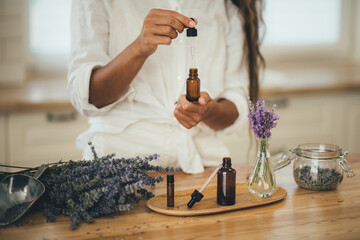
What to Expect During a Session with an Aromatherapist
Walking into your first aromatherapy session might feel like stepping into a new world of scents. A qualified aromatherapist will be there to help you every step of the way. They will make sure you feel comfortable and know what’s going on.
Before you start with essential oils, your aromatherapist will ask about your medical history and lifestyle. They will also want to know if you have any specific concerns. This helps them create a treatment plan tailored for you.
After discussing your goals, your aromatherapist may use different methods like breathing in the oils, putting them on your skin, or a mix of both. You get to relax and enjoy the scents while they do their work.
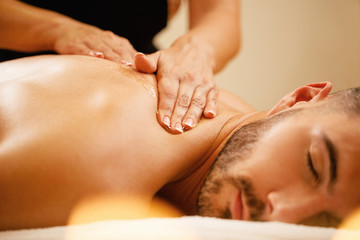
Aromatherapy Massages
Essential oils can also be used during massage to enhance the healing power. You have the option to use a tailored mix created by an aromatherapist, take suggestions from your massage therapist or do some research on the different essential oils and decide if you want to focus on anything specific that those oils provide. Determine if the oils the massage therapist used are a high quality or provide your own oils to avoid counterfeit or synthetic products.
Duration and Frequency of Sessions
The length of and how often you have aromatherapy sessions can change based on your health goals. Some people do well with weekly sessions. Others may only need them once a month.
Also, keep in mind that aromatherapy isn’t the same for everyone! What might help one person may not work for someone else. Talking openly with your aromatherapist is important for getting the best results.

Aftercare and Lifestyle Integration
Your aromatherapist can help you incorporate essential oils into your daily routine. They can suggest special oil mixes, how to dilute them, and how to use them in your wellness journey.
Adding aromatherapy to your life can be easy. For example, you can put a few drops of lavender oil on your pillowcase for better sleep. You can also use a diffuser with a bright citrus mix to wake you up each morning. The goal is to define your goals and to let aromatherapy be a fun and regular part of your self-care.
Does Insurance Cover Aromatherapy Sessions?
Insurance for aromatherapy sessions can be different based on your provider and health plans. Since aromatherapy is a type of complementary therapy, it’s important to look at your policy for coverage information. If you are worried about the costs, ask about ways to get reimbursed for this alternative therapy. You might also think about talking to your aromatherapist about payment options.
Conclusion
Aromatherapy with essential oils is more than just a nice smell. It brings many physical and emotional benefits. This practice has a rich history, going back to ancient times and continuing into today. While aromatherapy can improve your well-being, it’s important to know the potential risks and stick to the rules. Whether you use oils on your skin or inhale them, aromatherapy can help lift your mood and relax your body. So, why not start a fun journey of self-care and relaxation with essential oils? A few drops could really make a difference!
Additional Reading
Olfactory Influences on Mood and Autonomic, Endocrine, and Immune Function
Factors That Influence the Safety of Essential Oils
Aromatherapy With Essential Oils (PDQ®)–Health Professional Version – Cancer.gov