Are you interested in alternative therapies that focus on total health? Bioresonance technology is becoming popular in the health field. It offers a special way to find and deal with several health conditions. What is it, and how can it help you reach better health? Read more to learn how this technology uses your body’s natural energy to possibly boost your overall well-being.
Understanding Bioresonance Technology
Think of your body as a symphony of energy. Each cell and organ vibrates at its own special frequency. The technology is based on the idea that these tiny electromagnetic waves can give important clues about your health.
Just like a radio finds certain frequencies, bioresonance devices use electrodes on your skin. They detect and analyze the unique energy wavelengths that your body gives off. This information helps to find any imbalances or problems in your energy field. These imbalances might be connected to different health conditions.
The Science Behind Bioresonance
Proponents say that every cell, tissue, and organ in your body gives off different electromagnetic waves. These waves can be affected by many things, like your overall health, your diet, and exposure to toxins in the environment.
Think of these waves as tiny “signatures” that hold important information about how you feel. The technology works to find these energy wavelengths and study them for any imbalances.
By spotting changes in these energy patterns, practitioners think they can find parts of the body that are under stress or not working well. This information can then help create treatment plans that are personal and support the body’s healing process.
How do practitioners determine the frequencies to use in bioresonance treatment?
Practitioners determine bioresonance treatment frequencies by conducting diagnostic tests and analyzing the body’s electromagnetic signals. By identifying imbalances or stressors, they can tailor the frequencies to resonate with and potentially correct these issues, promoting overall wellness and balance.
History and Evolution of Bioresonance in Medicine
The idea started in the early 1900s because of the work of scientists like Nikola Tesla who studied how electromagnetic fields could help heal. Bioresonance therapy, as we know it now, began in the 1970s when special devices were made to connect with the body’s energy fields.
It is still seen as a complementary therapy but it is getting more attention now. Many people are doing research to gain scientific evidence about how it works and how it can be used. Supporters point out that it is not invasive and it often has minimal side effects.
Some studies suggest that bioresonance treatment could help with a variety of health conditions and regain the body’s natural balance. These conditions include pain management, allergies, and reducing stress.
Bioresonance in Complementary and Alternative Medicine
This type of therapy is often used together with traditional medical treatments or other alternative therapies. It focuses on a holistic approach which means it looks at the main causes of health issues by considering physical, emotional, and environmental factors.
Practitioners try to find energetic disruptions. They aim to help people get back in balance and restore their body’s natural healing skills.
How is Bioresonance Is Used in Alternative Wellness?
Practitioners often combine it with other holistic and integrative health treatments. For example, it could help with a number of health conditions including allergies, arthritis, and even smoking cessation.
This approach to health sees the body as a whole and understands that health problems can arise from various factors. It works to fix these imbalances at the cellular level and to bring back balance and support overall health.
Think of it as a reset for your health. It helps your body tap into its natural power to heal and grow. Remember, it should be used alongside standard medical care. It is not a substitute for regular treatment.
Integrating Bioresonance with Western Healthcare
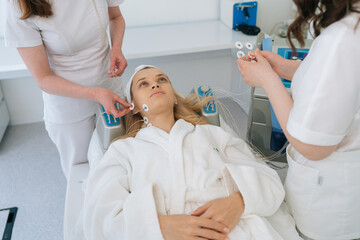
While grounded in the principles of energy medicine, it can complement Western medicine practices for a better bioresonance therapy outcome. Imagine this: you’re undergoing conventional treatment, let’s say, for chronic pain or to support your immune system. Incorporating this therapy is like adding an extra layer of support.
Preparing for Your First Bioresonance Session
Curious to know more? Your first session is coming up, but don’t worry; it’s usually an easy experience!
Picking the right practitioner and having the right items on-hand can make your journey comfortable and insightful.
What You Will Need
Good news – you won’t need to pack a suitcase for this! You will only need a device for the method of energy treatment. Your practitioner uses it to read your body’s energy wavelengths. This device is non-invasive with only electrodes gently placed on your skin.
To get the best results, here are a few things to consider:
- Avoid wearing metal jewelry or accessories.
- Wear comfortable clothes.
A calm mind and body help make the session more effective. Think of it as a chance to relax and learn more about your overall health.
Step 1: Choosing the Right Bioresonance Practitioner
Finding a qualified practitioner is very important, just like choosing a good hairstylist. You need to look for someone with experience. Choose a practitioner who has a strong background and is part of a well-known bioresonance group or association.
This way, you know you will get safe and effective care. Don’t be afraid to ask questions! A good practitioner will happily explain the process. They should address your worries and adjust the therapy outcome to fit your specific needs and goals.
Step 2: Pre-Session Considerations
You don’t need to make huge preparations, but some simple steps can improve your experience. Just like getting your taste buds ready for a good meal, prepare your body for the best results.
- Hydration is Key: Drink a lot of water before your session. This helps energy flow clearly.
- Nutrition Matters: Avoid heavy meals, caffeine, or alcohol a few hours before your session.
- Health History: Keep a list of any health conditions you have or medications you take.
Benefits and Risks of Bioresonance
Bioresonance therapy is gaining popularity due to its minimal side effects, making it a safe and comfortable option for many individuals. While some may experience slight tiredness or headaches post-session, similar to the after-effects of a relaxing massage, overall, the therapy is well-tolerated by most.
Despite the positive experiences reported by many users, further research is essential to understand its long-term efficacy better. It’s crucial not to view it as a definitive solution for health concerns, as more studies are required to ascertain its effectiveness over time.
Moreover, discussing any alternative therapies, including bio resonance, with a healthcare professional is advisable to ensure that they complement conventional medical treatments effectively. Being informed about both the benefits and potential risks of bio resonance therapy can help individuals make well-rounded decisions regarding their health and wellness.
What to Expect During a Bioresonance Session
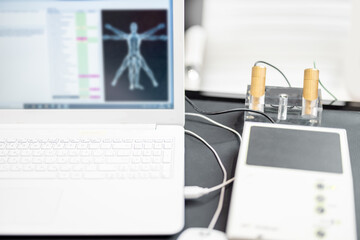
Imagine relaxing as the bioresonance testing device works. It’s like an EKG, but instead of checking your heart’s energy, it focuses on your body’s special energy frequencies.
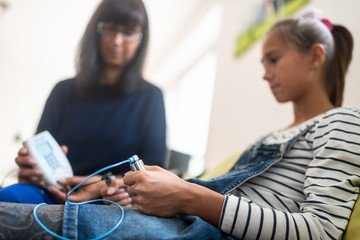
Tiny electrodes will be softly put on different spots on your body or you may hold a device. They will send details about your energy wavelengths to the device. Then, your practitioner will guide you through the steps and explain what the readings mean.
The Process of a Bioresonance Therapy Session
First, take a deep breath and relax! Your practitioner will start by explaining what will happen during the session. They should also answer any questions you have. When you’re ready, they will place electrodes on certain points on your body. These electrodes act like messengers that send your body’s energy signals to the bioresonance device.
Don’t worry; you will not feel any shocks or discomfort. The electrodes are just there to sense and send information about your body’s energy patterns to the device. This is a painless and safe procedure, just like checking your heart rate or blood pressure.
The length of your session may change based on your goals and the type of bioresonance device used.
Immediate Post-Session Steps
Congratulations on finishing your first bioresonance session! It’s like giving your body a fresh boost of energy. To make the most of this and help your body’s healing process, here are some tips:
- Stay Hydrated: Drink plenty of water after your session. This helps your cells feel refreshed and washes away any toxins released during the session.
- Listen to Your Body: Some people feel energized after a session, but others might feel tired for a little while. Pay attention to how you feel and take time to rest if you need it.
- Embrace Light Activity: Gentle movements like walking or stretching can help energy flow better and lower inflammation.
Conclusion
In a world full of new health technologies, bioresonance is a great option for overall wellness. Looking into bioresonance therapy lets you explore alternative treatments while also possibly connecting it with regular medicine. Your first visit for bioresonance therapy is a thrilling step to learn how your body reacts. Keep in mind that being curious and open-minded can make the experience special. So, get ready, pick a good practitioner, and start your interesting journey with bioresonance therapy. Your body will appreciate it!
Additional Reading
https://www.ncbi.nlm.nih.gov/pubmed/12511993
The Application of Bioresonance Therapy for the Correction of the Overtrained Athlete Syndrome
New Approaches to Diagnosis and Treatment of Fibromyalgia in Spinal Osteochondrosis
An Overview of Biofield Devices
Evidence for the Efficacy of a Bioresonance Method in Smoking Cessation: A Pilot Study