Imagine the joy of a wagging tail greeting you or the soothing purr of a cat on your lap. Animals have a unique way of bringing warmth and comfort into our lives. Did you know that these furry friends can also play a crucial role in your health and well-being? Welcome to the world of Animal Assisted Therapy (AAT), an innovative approach that harnesses the natural bond between humans and animals to promote healing and well-being.
The Fascinating History of Animal Assisted Therapy
The Greeks were among the first to recognize the benefits of human-animal interactions, where horses were used to lift the spirits of the sick. In the 1600s, physicians started noting the positive effects of pets on mental health.
In the 1940s, American psychologist Dr. Boris Levinson inadvertently discovered the therapeutic effects of his dog, Jingles, on his young patients. Levinson published several studies that highlighted the positive outcomes of pet therapy on mental health.
In the 1960s and 70s, interest in AAT grew, with therapists and researchers recognizing its potential benefits. One landmark program was established at the now-famous “Green Chimneys,” a residential treatment center for children in New York, which integrated farm animals into therapeutic activities. This program demonstrated significant improvements in the children’s social and emotional functioning.
Pet Partners was founded in the 1970s to promote the benefits of human-animal bonds and set standards for AAT programs. More recently, research has expanded to include various animal species, such as cats, rabbits, birds, and even dolphins.
Today, AAT is widely recognized from hospitals and nursing homes to schools and private practices to treat various medical conditions and mental health conditions.

The Science Behind the Therapy
A review in the European Journal of Integrative Medicine showed that hanging out with animals can make you less anxious and stressed, hurt less, and feel more supported by others. This same study pointed out its effectiveness for reducing depression and anxiety symptoms in people who have autism spectrum disorder (ASD), attention deficit hyperactivity disorder (ADHD), or schizophrenia.
Being around animals has physical benefits too. Some findings show petting or chilling with an animal can lower your blood pressure drop your heart rate down low enough to relax because it boosts oxytocin – the hormone that makes us feel lovey-dovey or calm.

Different Types of Animal Assisted Therapy
AAT covers a broad spectrum of activities designed to help people. With therapies like those involving dogs, horses, dolphins, and birds, each one uses different animals to aim at various healing goals. For instance:
- Canine-assisted therapy, the friendship and listening abilities of dogs offer emotional support and help with social interaction.
- Equine-assisted therapy, the horse’s movements and their calming presence are used to aid both physical recovery and emotional well-being.
Each type is crafted carefully to respond to individual needs using animal assisted methods for providing emotional support through meaningful social interactions among other benefits.
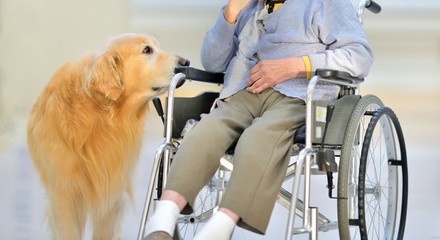
Canine-Assisted Therapy: More Than Just Dogs
Canine-assisted therapy uses trained dogs to help and befriend people. These dogs go through tough training and get certified to make sure they’re right for the job.
This brings social support, feeling better emotionally, and getting better at talking with others. With these dogs around, folks can start trusting more easily and build happy relationships. The dogs are not just friendly; they know how to obey commands and do certain things that can help people who have trouble moving or thinking clearly.
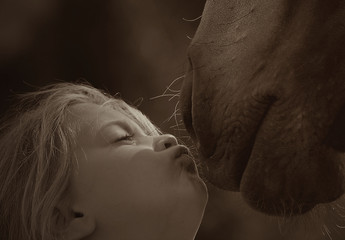
Equine-Assisted Therapy: Horses as Healers
Horse therapy, or equine-assisted therapy as it’s officially known, taps into the natural abilities of horses to help people heal physically, emotionally, and mentally. These animals are incredibly sensitive to our feelings and can interact in ways that create healing.
Folks dealing with a range of issues like mental health disorders, physical disabilities or developmental challenges find real benefits. The way a horse moves can actually make someone better at controlling their movements and keeping their balance. It also helps them feel more relaxed.
Under the watchful eyes of professional therapists, participants groom, feed, and even ride these gentle giants. This not only builds up their physical strength but also boosts their mood giving them a sense of pride.
Horses have a special knack for making meaningful connections with people offering support through various conditions whether it’s improving motor skills or providing relaxation.
What are the Benefits of Animal-Assisted Therapy for Mental Health (Psychotherapy)?
Use of animals can reduce stress, anxiety, and feelings of loneliness. It can increase feelings of happiness and improve social skills. Additionally, animals can provide comfort, promote relaxation, and boost self-esteem in individuals struggling with mental health issues and mental disorders.
Use of AAT in Complementary and Alternative Medicine
In mental health care, this approach has been woven into different kinds of treatments like psychotherapy sessions or mindfulness exercises. A variety of animals including dogs, horses dolphins, and even llamas are stepping up as partners in traditional therapies. They’re proving especially helpful as therapeutic intervention for depression anxiety or PTSD.
For kids and teenagers facing challenges such as autism ADHD or learning delays Animal Assisted Therapy is lending with special educational needs. Having animals around helps these young people by encouraging them to interact more improving their ability to communicate and manage their emotions better.
The choice of animal plays a big part in tailoring the treatment Dogs bring unconditional love into the mix while horses get people moving physically which also strengthens emotional bonds Dolphins have this soothing effect that aids relaxation
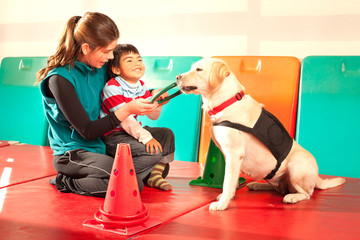
Integration of AAT into Traditional Medicine
AAT complements traditional medicine by enhancing existing treatments. It can be integrated into various healthcare settings like hospitals, clinics, and rehabilitation centers to aid individuals with diverse health and mental challenges.
For instance, animals benefit children in hospitals by alleviating their fears and providing comfort during medical procedures. Additionally, AAT proves beneficial for individuals struggling with mental health issues such as depression or PTSD, serving as a valuable supplement to conventional therapies and medications.
AAT has shown positive results for people dealing with chronic pain, physical limitations, or learning differences. Interacting with animals can improve mobility, coordination, and emotional well-being, offering additional support for individuals striving to enhance their physical health.
By combining AAT with existing treatment options, healthcare professionals can provide comprehensive and compassionate care to patients. The presence of animals creates a welcoming and supportive environment that fosters better outcomes and overall satisfaction for everyone involved.
Beginning Your Journey with AAT
Considering AAT? Understand its benefits, weigh the potential risk, choose the right program and type of animal, and ensure necessary resources are in place. It offers comfort, socializing opportunities, and friendship for effective healing.
Select a suitable program based on factors like the types of animals used, their training, and available therapies. Discuss with healthcare professionals and consider financial aspects before committing.
Professionals assess a client’s physical and emotional state, therapy goals, animal allergies, and comfort level with animals. They also consider the animal’s temperament, training, and ability to interact safely. This evaluation ensures a suitable match for effective animal-assisted therapy sessions.
What You Will Need to Get Started
Define your goals. Select a certified animal and handler for safety and effectiveness. Provide necessary paperwork like medical history. Embrace various activities during sessions to enhance your healing experience.
Finding the Right AAT Program
Consider the type of program you need—whether it’s dog-assisted, horse-assisted, or another type. Research programs that align with your goals and are highly recommended. Evaluate the qualifications of animals and handlers, session activities, and program philosophies. Consider practical aspects like location, schedule compatibility, cost, and required paperwork. Communicate with program staff to make an informed decision for yourself or a loved one in need of quality animal therapy services.
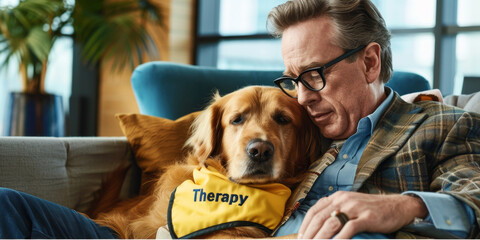
What to Expect During a Session
Anticipate a blend of warmth, furry companionship, and transformative healing in AAT sessions. Picture yourself welcomed by gentle animals, exuding calmness and unconditional acceptance. These sessions are more than just cuddles; they are purposeful interactions designed to uplift spirits and boost mental well-being. You might find yourself engaged in physical activity, from petting dogs to equine interactions that foster trust and emotional growth. Be prepared for a non-judgmental space where your emotional needs take center stage, supported by the soothing presence of these remarkable animals. Watch how they work their magic, promoting relaxation and social interaction, making the experience both enriching and enjoyable.
Risks and Considerations
AAT can be beneficial but requires careful attention to safety and well-being. It’s essential to ensure the animals are treated well, behave appropriately, and receive regular veterinary care. Allergies and zoonotic infections are potential concerns that should be addressed by checking for allergies and maintaining cleanliness. Proper planning, continuous training, and adherence to health protocols are crucial for the success and safety of programs involving animals.
Understanding the Limitations of AAT
For starters, it might not work for everyone. Some people are allergic or scared of animals, making this a non-starter. Before jumping in, we need to think about whether AAT is right and look at other options if it isn’t.
It works best when used together with other treatments like psychotherapy or physical therapy. Think of it as part of a bigger plan to get better rather than the only solution.
When using therapy animals, setting clear rules is crucial too. The animals and their handlers should be respected to keep everyone safe and happy during treatment sessions.
Does Insurance Cover AAT?
Navigating the world of animal-assisted therapy is exciting, but what about insurance coverage? Ensuring your furry friends are part of your therapeutic journey often involves considering insurance policies. Whether you’re looking into animals for mental health support or physical therapy, it’s essential to understand the insurance implications. Programs involving animals can vary widely, so checking with your insurer about coverage for animal-assisted interventions is a smart move. While some policies may include coverage for animal assisted therapy, others may require additional arrangements. It’s always wise to clarify the details with your insurance provider to avoid any surprises down the road. Remember, a happy pet and a happy you make for the best therapy duo!
Books to Increase Your Knowledge
These reads will shed light on the positive effects AAT has and show you different ways it’s put into practice.
- “Animal-Assisted Therapy: Techniques and Experiences” by Marianne Walters and Nancy Wilson. A detailed look at various techniques used in Animal Assisted Therapy. The authors share guidance on setting up your own programs with help from case studies that showcase real-life success stories across diverse environments.
- “The Power of Wagging Tails: A Doctor’s Guide to Dog Therapy and Healing” by Dawn Marcus. Why dog therapy is so effective and gives tips for bringing dogs into medical settings while sharing touching tales about their influence on patients.
- “Animal-Assisted Therapy in Counseling” by Cynthia K. Chandler. Examines how animals can play a crucial role in counseling sessions. It offers deep insights into incorporating animals effectively while considering ethical standards.
Products to Enhance Your AAT Experience
Discover products that elevate animal assisted therapy, offering support and comfort for both patients and therapy animals:
- Thera-Paws Interactive Toy: Engage therapy animals with textures, sounds, and hidden treats for mental stimulation during sessions.
- Therapy Animal Vests: Identify therapy animals professionally, signaling ongoing sessions to patients and staff.
- AAT Training Tools: Assist handlers in training animals with clickers, target sticks, and treat pouches for effective interventions.
- Therapy Animal Bandanas: Colorful bandanas create a friendly environment and visually signify support during therapy sessions.
Conclusion
Animal assisted therapy is a special world where animals and people connect for improved health. Dogs and horses, for example, can have a profound impact on both mind and body, bringing light even in tough times. Choosing the right program, setting goals, and fully committing can lead to a positive and joyful experience.