The goal of art therapy is about using your creativity to improve your mental health and feel better. It’s built on the idea that making art lets people dig into their feelings, get to know themselves better, deal with stress, and boost their ability to interact with others. This special kind of therapy mixes talking it out with a therapist and using creative techniques such as drawing, painting, collage, coloring, or sculpting. Folks can express what they’re thinking and feeling without having to use words, which helps them understand more about who they are and what they’ve gone through. It has been especially beneficial for those experiencing psychological distress, as it allows them to process and express their emotions in a non-verbal way. You don’t need to be an artist or have ever created before; it’s open for everyone.
The History of Art Therapy
The journey began in the 1940s when doctors and mental health experts saw how art could help people with mental illness heal. The American Art Therapy Association was set up, marking the start of an official program. With a keen eye, doctors noticed that those dealing with mental illnesses often turned to drawing and creating artwork to express themselves, leading to the development of expressive arts therapy. This observation opened doors to using it as a way to heal. It has grown significantly and is now a key part of treatment in many places. Today, it’s widely accepted and used across different settings to improve individuals’ mental health and overall well-being.
How Does Art Therapy Healing Work?
With a therapist’s guidance and encouragement, individuals dive into creating as a way to share what they’re feeling without having to find the exact words.
During sessions, folks might try their hand at different kinds of activities like sketching, painting, putting together collages or even sculpting. By talking about and reflecting on their creations, participants can get clearer insights into their own emotions and experiences.
Art therapists are skilled professionals who know a lot both about creating and helping people through tough times. They’ve often earned advanced degrees and spent time working under supervision so they can provide a safe space for exploring creativity and emotional well-being.

Is Art Therapy effective?
Through studies, art therapy has been proven effective in helping individuals explore emotions, reduce anxiety, and improve mental well-being. Through creative expression, art therapy allows for non-verbal communication, aiding in self-discovery and healing processes in a safe environment.
Art Therapy in Western and Alternative Medicine
The effectiveness of art therapy is getting more and more attention in both the traditional Western medical field and in alternative healing practices. In the realm of Western medicine, it’s being added to the usual treatments for a variety of health issues. You’ll find programs in places like hospitals, clinics, senior centers, and wellness centers helping people deal with things like cancer, chronic pain, brain-related conditions and mental health conditions.
On the flip side, within alternative medicine circles, this form of therapy takes on a holistic role. It’s about using creativity to improve one’s overall well-being at wellness centers or retreats focused on natural ways to heal. By blending activities with therapeutic support under one roof, it aims not just at physical recovery but also enhancing emotional stability and personal development as part of an integrated approach towards achieving total health.
Finding the Right Therapist or Program
When searching for the right therapist or program, it’s crucial to check professional credentials and qualifications. Make sure they are a credentialed art therapist with at least a master’s degree in art therapy or another related field, as well as any additional educational requirements. They should also have any extra certifications or licenses needed where you live. A good place to look for one is on the Art Therapy Credentials Board, Inc. | Credential Conversations (atcb.org)
By asking your healthcare provider, friends, or family for recommendations, you might find someone who has had good experiences with it. It’s key to choose a therapist that makes you feel at ease and gets what you’re looking for in terms of support and goals.
Preparing for Art Therapy
Once you’ve identified a therapist and program, think about where you’d like your sessions to happen. Some prefer therapy in private practice settings because it allows them personal time with their therapist. Others might find group settings or community programs more suitable.
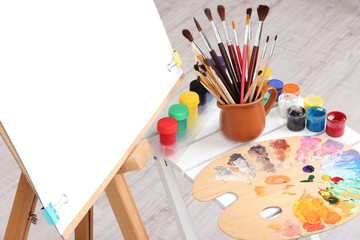
Step-by-Step Guide to Your First Session of Creating Art Therapy Art
The first session can be both thrilling and a bit intimidating.
- Think about your goals towards mental health and well-being. Figure out which areas of life or feelings you’d like to work on.
- Your therapist will help determine whether painting, drawing or sculpting suits best for expressing yourself. Choose what feels right.
- Create your piece without stressing over perfection. The goal is to be creative and use the opportunity to delve into exploring emotions.
- Ponder your creation alongside discussion. How does it make you feel? What memories or feelings surface?
Step 1: Set Your Goals
Ask yourself how this can help your mental health and make your life better. Most turn to it for reasons such as:
- Dealing with worry or sadness
- Feeling more confident
- Working through past experiences
- Learning how to share emotions
- Learning to handle stress or upsetting emotions
With clear goals in mind, you can team up with a therapist to plan out your sessions.
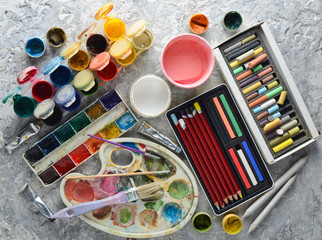
Step 2: Choosing Your Medium
There are several ways to create:
- For drawing, you can use pencils, pens, or markers for either detailed pieces or just fun doodles.
- Painting lets you play with watercolors, acrylics, or oils to make something bright and full of life.
- Sculpting gives you a chance to work with clay or other materials and really get into the shape and feel of things in 3D.
- Making a collage by cutting up magazines or whatever else grabs your eye helps tell a story without words.
- Photography—snapping pictures that mean something special to yourself.
Choosing how to express yourself is about what feels right for you. Your therapist will be there every step of the way helping pick out which method fits best with what you’re looking for in your work.
Step 3: Engaging in the Process
The therapist may prompt or ask questions that steer your creativity in certain directions. Feel free to try out various styles, play with colors and textures, and follow where your gut leads you. The most important thing is to forget about being critical of yourself and just soak up the benefits of being creative.
Step 4: Post Session Reflection
It’s good to reflect on the creation. With the help of the therapist, you’ll dive into the different themes, symbols, and feelings that pop up. Chatting can reveal how it affects you emotionally or any memories or thoughts it brings out. This step of looking back at what you created helps in understanding more about yourself – like peeling layers off an onion.
By doing this, you may spot patterns or issues in your art that tells you something important about yourself. This kind of self-reflection can help you grow as you learn more about who you are and what you’ve been through. The therapist is there to connect the dots between your creation and what’s going on inside.
Additionally, reflecting allows you to see your progress. When you notice changes in your artwork and how it makes you feel over time, it’s like giving yourself a pat on the back for making progress.
Aftercare and Integrating Art Therapy into Daily Life
It’s key to keep the momentum going with aftercare. This means taking what you learned and felt during your sessions and making it part of your everyday life.
Using art therapy each day is another important step in this process. You could do something simple like doodling or coloring, or dive into bigger art projects if that’s more up your alley. Keeping up with these creative activities helps hold onto those feelings of self-expression and exploration which are so central to the therapeutic process.
On top of that, making art regularly can lead to feeling better overall. It encourages being mindful and living in the moment while focusing on creating something. This can bring peace and balance into your life.
Exploring the Benefits of Art Therapy
A study that was shared by the American Art Therapy Association shows that doing something creative for just a short while can help lower stress and make you feel mentally healthier, regardless of artistic experience or talent. With this, people get a chance to show their feelings, understand themselves better, deal with stress in healthy ways, improve self-image, and work on getting along with others. It’s also used for treating different kinds of emotional troubles like anxiety, sadness (depression), trauma-related issues, and improving quality of life.
It’s great at boosting social skills. By getting into the creative process, people find new ways to share what they’re feeling and thinking. This can make talking with others easier and help build stronger connections.
When creating, one can dive deep into their thoughts and emotions but in a place that feels safe and supportive. Doing this helps people understand themselves more, which can lead them to feel better about who they are and cope with tough situations in healthier ways.
Creating can be calming. It gives individuals a break from whatever is stressing them out as they focus on creating something beautiful or meaningful. This shift in focus can bring about peace of mind.
Acknowledging the Potential Risks
Art therapy can do a lot of good, but it’s also important to remember that there are some risks. When people use creations to explore and express their feelings, they might end up facing emotions or memories that aren’t easy to deal with.
Some may not find it easy or comfortable sharing through creating or it might not connect with them. For some challenges, making sure it goes hand-in-hand with other treatments may be crucial as this alone may not be enough for certain challenges.
For some folks, just getting started with making art or dealing with the strong feelings that come up can be tough. That’s why it’s key for the therapist to make sure everyone feels supported and safe while they’re working through these things.
It also won’t be the right fit for every kind of mental health issue. Before diving in, talking with an experienced therapist is important to determine if this is the right avenue.
With help from an expert in art therapy, navigating these bumps becomes easier so anyone trying it out can get as much as possible from the experience.
Does Insurance Cover Art Therapy?
Coverage for art therapy varies depending on the insurance provider and specific plan. While some insurance plans may cover art therapy services, others may not.
It is important to contact the insurance provider directly and inquire about their coverage policies. It can be helpful to consult with a certified art therapist or psychiatrist who can guide you through the insurance process and provide any necessary documentation to support the need for art therapy services.
It is important to note that even if insurance does not cover art therapy, there may be alternative options available. Some therapists offer sliding-scale fees or discounted rates for individuals who do not have insurance coverage. Additionally, some community organizations or nonprofit agencies may provide art therapy services on a sliding-scale or free of charge.
Conclusion
Art therapy gives you a way to express yourself and heal at the same time. When you start using your creative side, it’s like going on an adventure where you learn more about yourself and let out emotions in a healthy way. Imagine stepping into the vibrant world of art therapy – every brush stroke has its own tale, and each color means something special. Remember, being an artist isn’t necessary; all that matters is your eagerness to try new things. Let art be the thing that speaks for you when words can’t find their way out; let it be a safe place where healing begins.
Additional Reading
Color Me Cautious: Don’t Mistake Adult Coloring Books for Art Therapy
Art Therapy In Humanistic Psychiatry