Living with chronic pain is tough. It affects your daily life, both physically, mentally and emotionally. Have you heard of Naprapathic medicine? This type of health care offers a whole-body approach. It can help you reduce pain, feel better and improve your quality of life.
Tracing the Roots: From Ancient Techniques to Modern Practice
Oakley Smith, a chiropractor from Chicago, is known for starting naprapathy in 1907, but the roots of the method are ancient. Oakley observed that a lot of his patients had pain because of issues with their connective tissues. A tissue issue, if you will.
Using a solid understanding of the body’s structure, function and connectivity, it combines techniques from massage, stretching, and hands-on techniques.
It is a respected health care profession with a strict training program and a growing amount of research backing its effectiveness. While most commonly seen in Nordic countries, naprapathic medicine is seen as its own health care profession in several countries, including the United States. Important steps, like getting recognized for licensure, have helped make naprapathy an established part of health care.
Defining Naprapathy: Principles and Practices
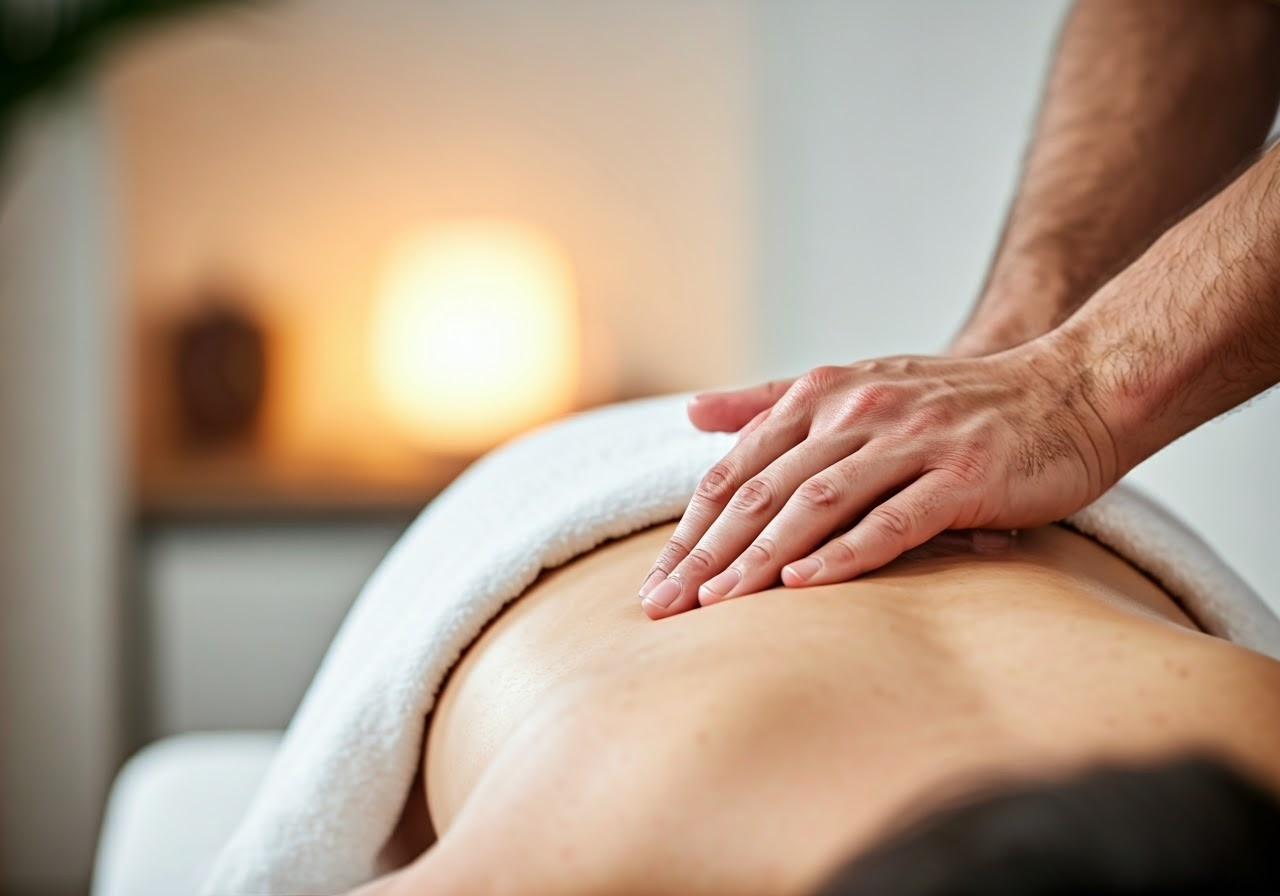
At its heart, it focuses on the important role of your body’s connective tissues for your health to find the root cause of pain. They include tendons, ligaments, and fascia. When these are not working well, they can lead to muscle pain, stiffness, a limited range of motion or headaches. It can also increase your risk of injury.
Naprapaths focus on a whole-body approach. This means they consider your health history, daily habits, and other things that may add to your discomfort.
Naprapaths use different manual manipulation methods including gentle joint mobilization, stretching, and special massages. They also use tools for deep tissue manipulation to ease tension, lower swelling, and improve your range of motion.
If the pops of chiropractic medicine don’t suit your fancy (this is explained in the exploration of Chiropractic), naprapathy may be an attractive option.

Naprapathy Treatment vs. Other Manual Therapies: A Comparative Overview
You might be asking, “Wait, isn’t this the same as chiropractic or physical therapy?” Yes, naprapathy does have some things in common with other manual medicine therapies, but it is different in important ways.
Chiropractors mainly focus on spinal manipulation, while naprapaths look at the whole body and deal with issues in the connective tissue. Physical therapy usually includes exercises and tools like ultrasound. In contrast, naprapathy uses more hands-on techniques for connective tissue manipulation or treatment.
How Naprapathy Works: An Insight into the Mechanism
Connective tissue is like the hidden hero in your body. It’s found everywhere, giving support and shape, and it helps pass on forces. But here’s the deal – connective tissue is not just sitting still. It changes all the time to meet different needs.
Injuries, bad posture, repeated movements that are not natural for the body and stress can lead to issues like tightening, adhesions and scar tissue. You can think of it like a “traffic jam” which leads to pain, stiffness, and less movement.
By easing the tension in the connective tissues, naprapaths help boost blood flow, lower inflammation, and help joints move properly again.
Is Naprapathic Therapy Suitable for Everyone, or are There any Contraindications to Consider?
Naprapathic therapy may not be suitable for everyone. Those with certain conditions like fractures, severe osteoporosis, or active cancer may need to avoid it. Consulting a naprapathic professional and your healthcare provider is crucial to ensure safety and efficacy based on individual health circumstances.
Training and Certification for Naprapathic Practitioners
Doctors of naprapathic medicine don’t just adjust backs; they work for years to perfect their techniques to help you feel better. You can think of them as the body experts in the medical field!
Naprapaths need a strong background in science. This means getting a bachelor’s degree in a field like biology or kinesiology.
Then, they go through a tough four-year program at a school that teaches naprapathic medicine. In this program, you will learn about anatomy, physiology, biomechanics, and naprapathy itself. Graduates need to pass national board exams and meet state licensing rules to practice.
Naprapathic Treatment Sessions Explained

During your first session, your naprapath will probably:
- Talk about your health history: This helps them understand your situation to determine the best treatment methods
- Do a physical check: They will look at your posture and see how you move. They will also check for any tight spots in your muscles and joints.
- Make a personalized treatment plan: After understanding your needs, your naprapath should create a plan that fits your specific goals.
Duration and Frequency of Treatment: Tailoring to Patient Needs
It can differ for everyone. The time for each and number of treatments depend on each unique individual and their health issue and goals.
Some people report feeling a lot better after just a few visits. Others with long-term challenges might need regular treatments to control their symptoms. Your naprapath will help you decide the right plan and change how often you visit based on your needs.
If you are suffering from neck pain, lower back pain, sports injuries, tennis elbow, joint pain or struggle with physical activity due to a variety of conditions, naprapathy may be just want helps you find significant improvements in pain relief or pain management.

Post-Session Care and Lifestyle Adjustments
Your practitioner may suggest some easy lifestyle changes to help keep you feeling good and stop problems from happening later. Lifestyle choices are very important for our health. What we eat, how we exercise, how we sleep and how we deal with stress can all affect how we feel physically.
Your naprapath may suggest some home exercises or stretches to help make your posture, strength, and flexibility better. It may also decrease your pain intensity.
They may also provide nutritional counseling. This means they will guide you to make healthier food choices that are good for your body. Remember, naprapathy cares about the whole you. It supports your body’s natural ability to heal and stay healthy!
When you follow your aftercare advice, you can boost the benefits of your treatment. This helps your body feel great and helps build a better future for your health and well-being!
Insurance and Naprapathic Therapy
Naprapathic therapy is starting to be recognized by insurance companies. This means your plan might cover some of the costs.
Many insurance plans do cover naprapathic treatment if it is seen as medically necessary. It’s always a good idea to check with your insurance provider to confirm. Having a referral from a primary care provider can strengthen your case and improve your chances of being covered.
It’s a good idea to call your insurance company and check your coverage. They can tell you about the benefits in your specific plan and what extra costs you might have. They can also let you know if your naprapath is in-network, which usually means lower costs for you.
If you have a Flexible Spending Account (FSA), it may also help cover the costs of treatment.
Additional Reading
Naprapathic Manual Therapy or Evidence-based Care for Back and Neck Pain
The Long-Term Effects of Naprapathic Manual Therapy on Back and Neck Pain
Prevalence of Chronic Pain and High-Impact Chronic Pain Among Adults — United States, 2016