We all understand that mental health and physical health connect to each other. But did you know that trapped emotions or trapped feelings from traumatic events might cause those unexplained aches and pains? We will explore how emotional baggage affects our well-being. By recognizing and letting go of them, you can be happier and healthier!
What are trapped feelings and how do they manifest?
Trapped feelings are unresolved emotions and traumatic memories stored within us. They can manifest as physical symptoms like tension, fatigue, or illness, and emotional signs such as irritability or low mood. Recognizing and addressing trapped feelings through therapy, mindfulness, or journaling can lead to improved well-being.

Exploring the Concept of Trapped Emotions or ‘Trapped Feelings’
Imagine feelings as energy moving through the body. Negative emotions like fear, sadness, or anger can sometimes get stuck. These stuck emotions are like small knots, called emotional blockages, and can stay in our bodies on a subconscious level, even if we think we are okay.
When we face a stressful or traumatic event, our bodies go into what is called “fight-or-flight” mode. This means our heart rate goes up, our muscles tense, and stress hormones fill our body. It is the way our body protects us, and this is completely normal.
When we face too much stress for a long time or don’t properly process traumatic feelings, our bodies can remain in this alert state. You might remember feeling muscle tension headaches or a knot in your stomach. These are examples of how chronic stress can show up in our bodies. Long term stress can also harm the immune system making body more prone to illness.
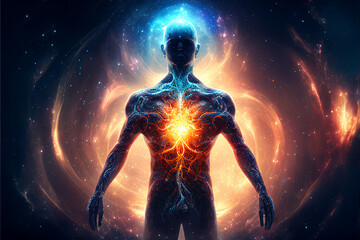
Expert Insights on the Mind-Body Connection
The mind-body connection is very important. Experts in medicine and psychology see how our feelings affect our physical health. We need to understand that mental and physical health are closely related.
This is where somatic experiencing comes into play. Somatic experiencing helps you notice the physical sensations that come with your emotions. Whether you feel tightness in your chest or heaviness in your limbs, these physical sensations can give you important hints about how you emotionally feel.

Psychological Perspectives on Trapped Emotions
Many psychologists say it’s important to recognize and deal with all our emotions, even the hard ones.
We often want to avoid those uncomfortable feelings, but when we push down or ignore these difficult emotions, we keep ourselves on high alert. Among other ailments, this ongoing emotional stress can lead to anxiety and depression.
Accepting who we truly are means embracing everything about ourselves, including the good, the bad, and the ugly. When we allow ourselves to fully feel our emotions, we open the door for healing and growth.
Medical Experts’ Views on Emotional and Physical Health Correlation
Medical experts now see that ignoring our emotional health is similar to not changing the oil in our cars. Eventually, something will break down.
Research shows that trapped emotions can affect our body tissues. Issues like muscle tension and digestive problems can result from these stuck feelings. Have you ever felt brain fog, tiredness, or trouble focusing? These could be signs that your body needs an emotional check-up.
Identifying Symptoms of Trapped Emotions
How do you know if trapped emotions and unresolved childhood trauma are hindering your well-being and your true self? Besides that uneasy feeling, there are clear emotional signs and physical health issues to look for. Research shows that these signs can include constant negative thoughts, low energy, and a range of symptoms related to the nervous system, plus the various examples of physical signs, as well.
Emotional Signs and Signals to Watch For
First, pay attention to your inner thoughts. Do you constantly have negative self-talk or feel anxious? It is normal to feel negative sometimes. But if you find yourself stuck in negative thoughts, it could be a sign that those feelings are looking for your attention.
Also, if you struggle to feel positive emotions, it can signal emotional blockages. It is like those emotional knots create barriers, stopping love, joy, and peace from coming to you easily.
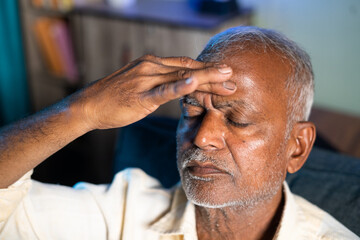
Physical Ailments Linked to Emotional Stress
Remember the idea of the “mind-body connection”? Early research reveals that traumatic events and chronic stress can lead to many physical problems. Some experts think those trapped feelings, or old wounds, might be stored in our body tissues. Examples include raised blood pressure, digestive problems, chronic pain, headaches, muscle tension, and insomnia. If you’ve gone through something traumatic, it can be hard to let go of those emotional wounds. PTSD, also a form of trapped feelings, is a serious matter and can greatly affect both mental and physical health.
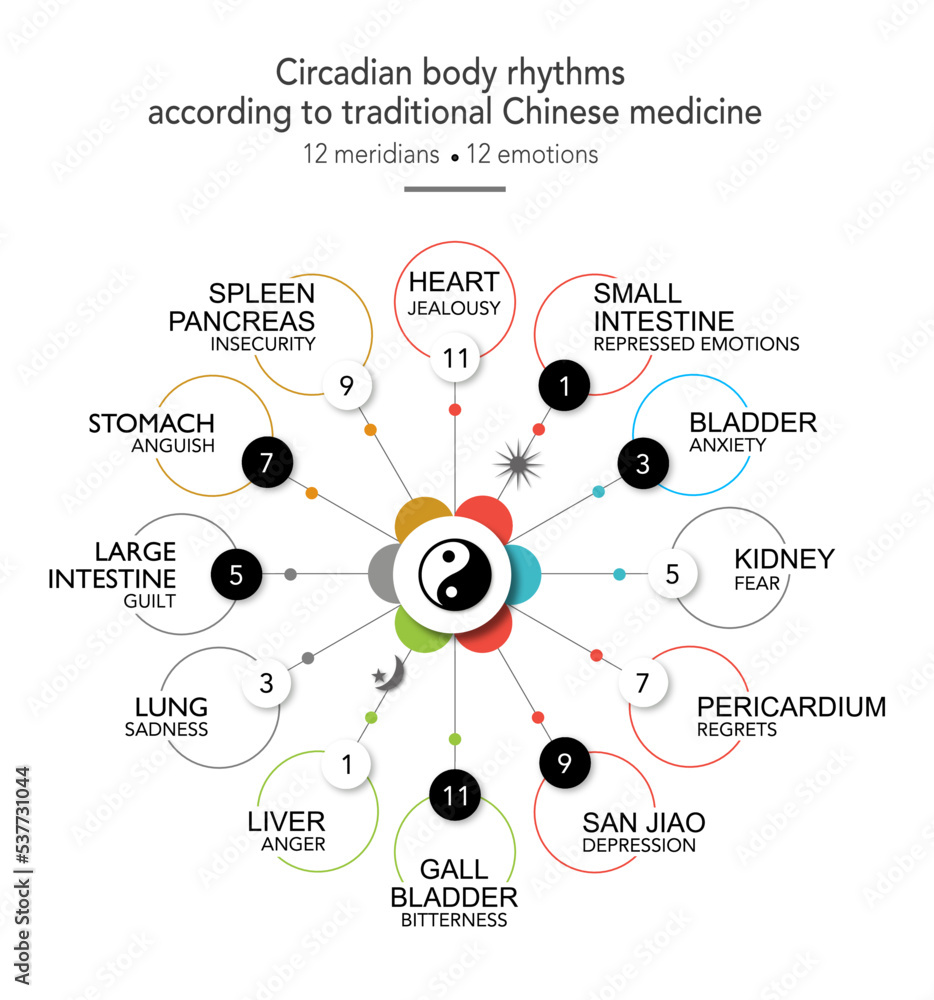
The below chart shows what areas of the body and what organs are impacted by certain emotions.
Is Healing from Trapped Emotions Possible?
Exploring CAM method examples like meditation, massage, acupuncture or Body Code can help facilitate an emotional release of feelings that are trapped. This can promote healing and improve your overall well-being. These methods focus on physical sensations connected to feelings. They can help you relax and reduce muscle tension. By working with emotions at a subconscious level, CAM techniques can also ease chronic stress. This helps your body heal naturally.

Releasing Trapped Emotions in the Body
Let’s explore some useful techniques that can help you clear away emotional blockages and let go of negativity.
- Meditation: This is like hitting the “pause” button on your mind. It helps you relax and think about yourself. By calming racing thoughts, meditation lets us feel our emotions more deeply.
- Massage: Who doesn’t enjoy a good massage? It feels great and helps release muscle tension, which often comes with trapped emotions. It’s like a reset for your body!
- Relaxation techniques: Use deep breathing or guided imagery to help relax. Adding these to your daily routine can reduce stress and create a more peaceful mind.
- Body Code: Dr. Bradley Nelson created the Body Code. There are many testimonials that attribute their healing to his method. There is a separate blog about that at Well is Well.
Stay consistent! Make these techniques part of your self-care, and you will see those emotional knots start to relax.
Conclusion
In conclusion, it is important to understand how trapped emotions affect physical health. The link between emotional blockages and physical issues shows why we need to address these problems. Expert insights and real-life examples show that letting go of trapped emotions can improve both emotional and physical health. By noticing the signs and using other methods like CAM techniques, people can strive for a better state of well-being. Remember, taking care of your emotional health is as important as your physical health. Take on the journey to release trapped emotions to become a healthier and happier you!
Additional Reading
Costs of Emotional Suppression
Mind-body health: research, clinical, and policy applications
Mind-Body Skills Groups for Treatment of War-Traumatized Veterans: A Randomized Controlled Study
Consequences of Repression of Emotion: Physical Health, Mental Health and General Well Being