Equine therapy, or Hippotherapy, is a type of therapy that includes horses in the healing process. It is also called equine-assisted therapy or therapeutic horsemanship. This method is becoming more popular because it helps improve mental health. It adds a special and helpful part to regular therapy methods.
Understanding Equine Therapy (Hippotherapy)
Imagine a therapy session that happens in a barn or riding arena instead of on a couch. This is what this therapy is all about. It helps you connect with horses in a special way, and through this, you can learn more about yourself.
You might groom a horse, lead it through an obstacle course, or just enjoy being around it. Equine therapy gives you a lively and interactive experience that regular therapies might not provide.
Defining Equine-Assisted Therapy
Equine-assisted therapy, equine assist, or EAT, is a teamwork effort. A licensed mental health professional works with an equine specialist. Together, they create a helpful experience for people. These sessions can be designed for individuals, families, or groups.
EAT can vary based on goals. For instance, occupational therapy with horses focuses on skills like motor function, coordination, and sensory processing. Learning with horses can help improve teamwork, problem-solving, and communication.
Horseback riding is often part of these activities. However, it’s important to know that therapeutic riding is not the same as equine-assisted psychotherapy. The last one focuses more on emotional growth and mental health through working with horses, not just riding.
The Evolution and History of Equine Therapy
The roots of EAT go back to ancient Greece. Back then, people noticed that horseback riding had health benefits. Hippocrates, known as the father of medicine, wrote about how riding helped people feel better.
EAT did not fully develop until the mid-1900s. During the 1950s and 1960s, programs for therapeutic horseback riding started appearing.
As time passed, this idea of riding grew into many equine-assisted activities and therapies. In recent years, the strong psychological and emotional benefits of working with horses have become very important. This has led to what we call equine-assisted psychotherapy today.
The Science and Methodology Behind Equine Therapy
Have you ever heard the saying, “You can learn a lot about someone by how they treat their horse”? There is a good reason for this. Horses are very intuitive animals. They often show the feelings and energy of people nearby.
They react to our body language, the way we talk, and even our hidden emotions. This special sensitivity is why horses make great partners in therapy.
How Equine Therapy Works
EAT is a special type of mental health treatment. It goes beyond just riding a horse. It focuses on forming a deep connection with the horse. Picture working with a horse in a small arena. The horse’s reactions can give you important clues about your own feelings. If the horse comes closer, it may be looking for your attention. If it moves away, it might sense your anxiety or doubt.
These reactions allow you to reflect on yourself and control your emotions better. The horse acts like a mirror, showing your feelings without judging you.
With time, these experiences can lead to important growth. You start to understand what triggers your emotions, learn better ways to cope, and build stronger relationships. This improvement happens not only with the horse but also with other people in your life.

Different Approaches and Techniques
Just like there are different types of therapy, like cognitive behavioral therapy (CBT), EAT also has several methods. It’s important to be flexible. The techniques you choose will depend on your needs and goals.
One common method is experiential therapy. It focuses on learning by doing. Instead of just talking about your feelings, you will do activities with the horse. These activities help you feel and understand your emotions as you go.
Another key model is the EAGALA (Equine Assisted Growth and Learning Association) model. This model uses a team approach. It includes a mental health professional, an equine specialist, and of course, the horses.
Applications of Equine Therapy
The great thing about equine therapy is its flexibility. It can help many different kinds of practices. This includes both Western medicine and other types of therapy. You can find equine therapy used in regular healthcare or on its own.
In Western Medicine
Equine therapy has a useful role in physical therapy. It helps people recover from injuries or deal with physical limitations. Riding a horse has a soothing effect. The Professional Association of Therapeutic Horsemanship International (PATH Intl.) supports and sets rules for horse-related activities and therapies. Therapeutic riding can build muscle strength, balance, and coordination. It also helps improve motor skills. This makes it a fun and effective way to tackle physical challenges.
In Complementary and Alternative Medicine
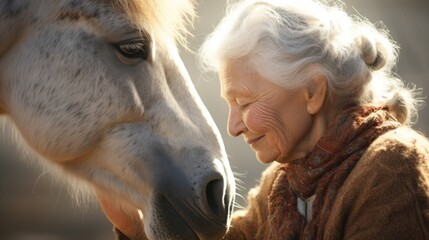
In alternative medicine, equine therapy looks at the whole person, connecting the mind, body, and spirit. Spending time with horses allows us to be more mindful and focus on the present.
If you want to reduce stress or anxiety, or if you want a better connection with yourself and nature, equine therapy provides a way to explore these feelings in complementary and alternative medicine.
Who Can Benefit from Equine Therapy?
Equine therapy is a flexible tool that can help with many needs and challenges. It works for people of all ages and conditions. If you’re a child dealing with strong feelings, an adult wanting help with anxiety, or a veteran facing hidden struggles with PTSD, equine therapy is here for you. It truly welcomes everyone who needs support.
Children and Adolescents with ADHD
Imagine a child full of energy who has trouble sitting still or struggles with impulse control. They find calmness in the gentle presence of a horse. This is the special magic of equine therapy for kids and teens. Children with hyperactivity disorder (ADHD) often find peace in the nice and organized atmosphere of a stable.
For kids with autism, the special nature of horses can help them connect socially and emotionally. It’s common to see a child who has a hard time talking brighten up when they interact with a horse.
What is even more beautiful about this? Horses do not judge or place any demands. They are just themselves. In their company, children and teens can learn important lessons. They can understand empathy, control their impulses, and form meaningful connections with others.
Adults with Mental Health Conditions and PTSD
For adults with anxiety disorders, equine therapy can be a safe space away from constant worry. Just imagine the freedom you feel when the wind blows through your hair as you ride through a field, letting go of worries with each step.
Recovering from substance abuse often means facing past trauma and building up your self-esteem. In these times, having a horse by your side can bring a lot of healing. Horses don’t judge your past mistakes. They are there for you, ready to connect with who you are now.
PTSD can make it very hard to feel safe or to trust others. However, horses, with their gentle nature, can help break down your defenses slowly and gently.
Key Benefits of Equine Therapy
Equine therapy can help heal and strengthen. It supports us physically, emotionally, and mentally. It’s like a complete refresh for our well-being. This therapy can reduce physical stress and heal emotional wounds.
Physical Health Improvements
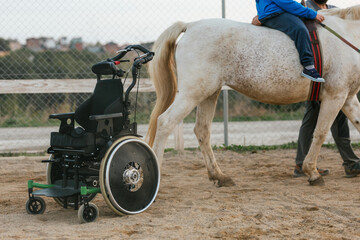
For people with physical challenges, like spina bifida or scoliosis, equine therapy can make a big difference. The way a horse moves feels like walking. This motion helps use muscles and improves balance, which regular physical therapy exercises may not achieve.
Emotional and Psychological Benefits
It is one thing to talk about feelings. It is another to feel them in real life. This is where equine therapy is helpful. It gives us a safe space to practice vulnerability and emotional regulation. Horses do not judge or give unwanted advice. They respond truthfully to our emotions. This helps us see how our feelings affect others. This creates a strong chance for self-reflection and growth.
By caring for a horse—grooming it, feeding it, and simply being with it—we build empathy…not only for these amazing animals but also for ourselves and others.
Risks and Considerations in Equine Therapy
As with any activity that involves large animals, equine therapy has some risks. Horses are usually gentle, but they are still animals. It’s important to remember and respect their natural instincts. These programs include trained equine specialists. They know how to work with horses and can spot potential risks. They understand how horses behave and can predict and handle any issues that come up.
Proper training and handling are very important to keep everyone safe during activities with horses. Good programs will have strict rules to ensure safety. They will make sure the horses are trained for therapy work, provide helmets and safety gear for participants, have experienced handlers present at all times, and maintain a clean and secure place. Good equine therapy programs have strong risk management plans to help keep everyone safe.
Before starting your equine therapy journey, it’s very important to talk about any worries you have with a qualified professional. They can help with your needs to make sure you have a safe and positive experience.
What to Expect During a Session
It’s normal to wonder what goes on in an equine therapy session.
These sessions usually happen in a large arena or a roomy barn aisle, not in a typical therapy room. The setting feels relaxed, making it easy for you to connect with your surroundings and the amazing horse next to you.
The facilitator will lead you through various activities that aim to help you reach your therapy goals. While you interact with the horse, the facilitator will encourage you to notice its behavior, your reactions, and any feelings that come up.
Duration and Frequency of Sessions
The length and how often you have equine therapy sessions can change based on the program and what you need. Usually, sessions last about 45 minutes to one hour, similar to regular therapy sessions.
How often you attend will be decided with your therapist or healthcare provider. They will think about your treatment goals, schedule, and how you are doing.
While therapy riding may be included in your equine-assisted therapy, the main goal is your emotional growth and healing through your time with the horses. It’s not just about getting good at riding.
Aftercare Following Sessions
As with any therapy, the insights and breakthroughs often last after your session is over. Equine therapy is the same. What you learn and how you use it afterward is important to get the most benefits.
Are you remembering those “aha” moments from your session? Don’t let them slip away. Write them down, think about them, and see how you can use those ideas in your everyday life.
Most importantly, be kind to yourself. Learning to control your emotions takes time. If you’re having a tough time after a session, reach out to your therapist or to a trusted friend or family member for support.
Insurance and Equine Therapy
Navigating insurance for therapy can be confusing. Equine-assisted therapy is newer than regular talk therapy, so getting coverage can be difficult.
Some insurance plans might pay for part of the equine therapy costs if it is seen as medically needed. It’s important to check with your insurance provider. Many therapists also provide sliding-scale fees or payment plans. Don’t hesitate to ask about these options. Your mental health is valuable, and it is worth the effort.
Navigating Insurance Coverage for Equine Therapy
As you embark on your equine therapy journey, it’s wise to gather information and be prepared. Here’s a handy guide to help you navigate the ins and outs of insurance coverage for equine therapy:
|
Factor |
Considerations |
|
Insurance Plan |
Carefully review your policy documents to check for coverage of equine-assisted therapy, the provider network, and any limitations. |
|
Medical Necessity |
In many cases, insurance companies will require a referral or a letter of medical necessity from your physician or therapist, stating that equine therapy is an essential part of your treatment plan. |
|
Provider Credentials |
Some insurance plans may require therapists or equine specialists to have specific certifications or licenses to be considered eligible providers. |
Conclusion
Equine Therapy is a special way to help improve physical, emotional, and mental health. The strong bond between people and horses creates a unique healing experience. Both children and adults with mental health issues can gain from this type of treatment. Although there may be some risks, following the right advice can lead to a safe and positive experience. If you want to try Equine Therapy, contact certified practitioners. They can guide you on a journey toward healing and growth. Embrace the support of horses for a brighter and balanced future!
Frequently Asked Questions
How Effective Is Equine Therapy Compared to Traditional Therapy?
Equine therapy is not meant to replace regular mental health treatment. While it shows promise, we need more research. It usually works well as a complement to traditional therapies. This way, it adds a special aspect to mental health care.
Are There Any Age Restrictions for Equine Therapy Participants?
Equine therapy programs usually have age rules. These are important for safety and growth reasons. Some programs are for kids who are four years old or older. Others are for adults or certain groups.
What Mental Health Conditions Can Equine Therapy Help Treat?
Equine therapy has shown good results for different mental health issues. These include anxiety, depression, trauma or PTSD, addiction recovery, autism spectrum disorder, and behavioral disorders.
How Do I Find a Certified Equine Therapy Practitioner?
To find a certified equine therapy practitioner, you can look at online directories. You can also visit the websites of professional groups like EAGALA (Equine Assisted Growth and Learning Association) or PATH Intl. These sites offer certification programs and help you locate practitioners.
Can Equine Therapy Be Used in Conjunction with Other Therapeutic Modalities?
Yes, equine therapy can really boost traditional psychotherapies and other kinds of therapy. It is like adding a helpful tool to your therapy kit. This can improve your path to healing and personal growth.
Additional Resources
Equine Assisted Therapy for Patients with Post Traumatic Stress Disorder: A Case Series Study