Imagine a practice that has stood the test of millennia, one that can potentially relieve pain, stress, and even improve your overall well-being. Whether you’re new to this ancient art or just looking to deepen your understanding, you’re in the right place. Our journey today will walk you through the rich history, the science behind it, and what to expect if you decide to give it a try. Get ready to explore how acupuncture is seamlessly blending into modern medicine, and how it might just become your next go-to for holistic health.
The Ancient Origins of Acupuncture
The roots trace back over 2,500 years to ancient China, making it one of the oldest healing practices in the world. The earliest references can be found in the Huangdi Neijing (Yellow Emperor’s Inner Canon), a classic Chinese medical text that dates back to around 100 BCE.
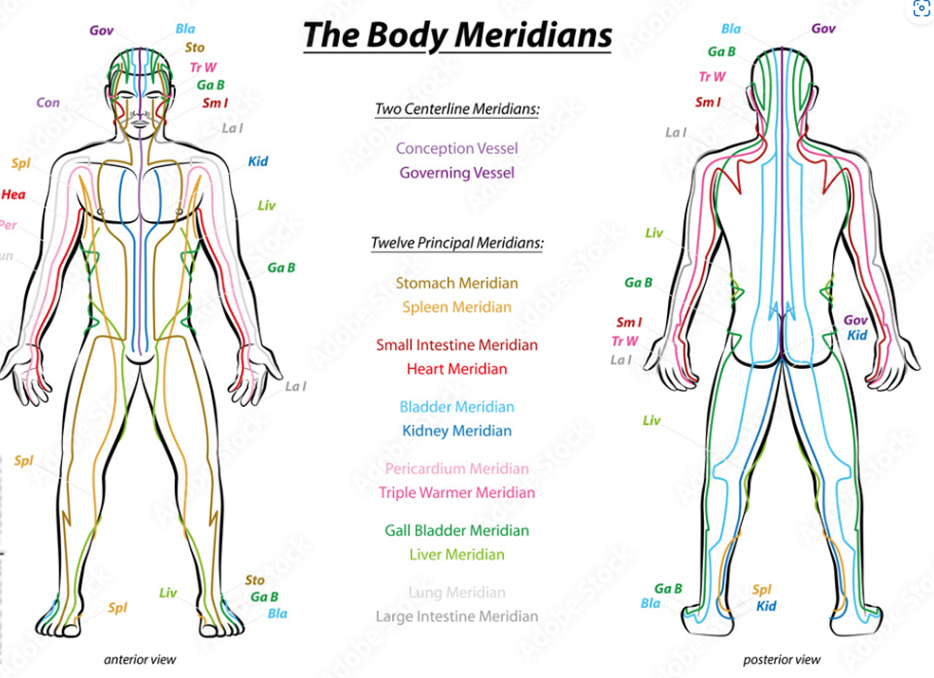
It was closely linked with the Taoist philosophy, which emphasizes harmony between the human body and the natural world. Ancient practitioners believed that energy, or life force, flows through pathways in the body known as meridians. When this energy flow is disrupted, it can lead to illness or discomfort. By inserting very thin needles into specific points along these meridians, acupuncturists aim to restore balance and promote natural healing.
Use of this therapy evolved as it spread across Asia. In Japan, it was integrated with massage and herbal medicine. Korea and Vietnam adapted acupuncture practices to their own medical traditions.
It gained international attention in the 1970s when the United States began to recognize its benefits. It continues to flourish on a global scale, adapting to new scientific insights.
What is Acupuncture Therapy? How Does it Work?
Practitioners insert very fine, sterilized needles into specific points along the body’s 12 meridians to stimulate the central nervous system and balance the flow of qi. This balance aims to promote healing and alleviate various ailments. Most people experience little to no discomfort during the process. The needles are typically inserted just below the skin’s surface.
Historically, it has been used to treat pain, but modern practitioners have expanded its applications for a range of conditions, from stress and anxiety to digestive issues and sleep disorders.
Exploring the Benefits of Acupuncture. What can Acupuncture Treat?
The range of benefits go beyond just pain relief. Acupuncture therapy can profoundly affect your overall wellness.
Pain Management: One of the most well-known benefits is the effectiveness in treating various types of pain to include chronic back pain, migraines, and arthritis.
Stress Reduction: Acupuncture therapy has been shown to reduce stress and anxiety levels by promoting the release of endorphins.
Improved Sleep: Many people report better sleep quality and easier time falling asleep after treatments.
Immune System: Regular sessions can boost your immune system, helping your body fight off illnesses more effectively.
Digestive Health: It has been found to help with bloating, irritable bowel syndrome (IBS), and nausea. It helps regulate the gut-brain axis and can improve bowel function.
Emotional Balance: It can help balance your emotional state by regulating neurotransmitters in your brain.
It is used for a variety of other conditions, including respiratory disorders, neck pain, menstrual cramps, and even aiding with addiction recovery. As more research unfolds, many are hopeful that the scope of benefits will continue expanding.
Acupuncture Therapy in Complementary and Alternative Medicine
Use of acupuncture is often employed alongside conventional treatments. By addressing issues like pain management, stress relief, and chronic health conditions, it provides a holistic approach. This supports the idea that mind and body are interconnected.
Practitioners consider the patient’s health profile, lifestyle, and specific ailments, crafting an individual plan with the appropriate type of acupuncture. This approach can make it an appealing option for those who feel underserved by standard medical protocols.
Research and evidence reveal that it can augment traditional medical treatments. For example, cancer patients undergoing chemotherapy might use it to manage side effects like nausea and pain. Similarly, individuals with chronic pain conditions may find relief that complements their existing medical care, potentially reducing the need for pain medications.
Integration of Acupuncture into Western Medicine
Acupuncture therapy is often used in chronic pain management, rehabilitation programs, and holistic wellness practices. Hospitals, clinics, and private health care practices across the United States and Europe have begun incorporating it.
Physicians and healthcare providers are increasingly recommending acupuncture therapy for patients dealing with surgical pain and even mental health issues like anxiety and depression.
Professional organizations, such as the American Academy of Medical Acupuncture, have played a crucial role in this integration by setting standards for practice and certification. This ensures that practitioners are well-trained and that patients receive safe and effective treatment. Additionally, medical schools and residency programs are increasingly offering courses.
Potential Risks and Safety Considerations. Is Acupuncture Safe?
While it is generally considered safe when performed by an experienced and certified practitioner, it is important to be aware of potential risks and safety considerations. One of the most common risks includes minor side effects such as soreness at the needle sites, minor bleeding, or bruising. These side effects are usually mild and temporary, resolving shortly after the session.
Serious complications are rare but can occur if the procedure is not performed correctly. Infections can result from the use of non-sterile needles, which is why it is crucial to ensure that your practitioner uses single-use, disposable needles. Additionally, improper needle placement or depth can lead to injury of internal organs.
It may not be suitable for everyone. Individuals with certain health conditions, such as bleeding disorders or people who are taking blood thinners, should exercise caution. Those with medical implants such as pacemakers should inform their acupuncturist, as certain forms of acupuncture that involve electrical impulse might interfere with these devices.
To minimize negative effects, make sure to consult with a certified and trained practitioner. Look for providers who are licensed and have good reviews. You can check their credentials through professional organizations like the National Certification Commission for Acupuncture and Oriental Medicine (NCCAOM) in the United States.
Lastly, don’t forget to discuss treatment plans with your healthcare provider, especially if you have pre-existing medical conditions or are currently taking medication. They can help you decide if it is a safe and appropriate option.
What to Expect During an Acupuncture Session
When you arrive for your session, you’ll likely start with a brief consultation. Expect questions about your symptoms, lifestyle, and medical history. This helps them tailor the treatment specifically to you.
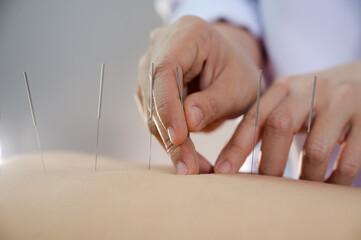
You’ll be asked to lie down on a comfortable treatment table. The practitioner will then insert thin, sterile acupuncture needles into specific points on your body. While the idea of needles may sound daunting, most people report feeling just a slight tingling or pressure. The number of needles used can vary based on your condition, but the process is generally quite relaxing.
The needles will remain in place for about 15 to 30 minutes, during which you might simply relax, meditate, or even take a short nap. Acupuncture treatment can last up to 60 minutes.
Throughout the session, your practitioner may also use other techniques, such as gentle electrical stimulation or heat, to enhance the effects. Some practitioners may incorporate elements of traditional Chinese medicine, like moxibustion (the burning of an herb near your skin) or cupping, to further support your treatment.
By the end of the session, you might feel a range of sensations. Some people leave feeling deeply relaxed and centered, while others might feel energized. How you feel afterward can provide valuable information to your practitioner for future treatments.
Aftercare Tips for Acupuncture
After your session, it’s important to give your body time to adjust.
- Drinking plenty of water is essential. Hydration helps flush out toxins released from the session.
- Rest. Avoid strenuous activities and allow your body to heal and balance itself.
- Avoid Alcohol and Caffeine: These substances can interfere with the body’s natural healing processes.
- Opt for light, nutritious meals. Avoid heavy or greasy foods.
- Notice any changes in your body and emotions. Some people feel immediate relief, while others may experience mild soreness or fatigue.
- Engage in activities such as gentle yoga, meditation, or breathing exercises.
- If you have any concerns or unusual symptoms, reach out to your provider.
How many sessions of acupuncture therapy are typically needed to see results?
Effects of acupuncture therapy can vary, but typically, noticeable improvements may be seen after about 6-12 sessions. However, this number can change based on the individual’s condition and response to treatment, so it’s essential to follow the practitioner’s guidance for the best outcome.
Insurance Coverage for Acupuncture Treatments
In recent years, insurance companies have become increasingly open to acupuncture therapy. Coverage can vary widely depending on your plan. This can often be found in the “alternative care” or “complementary therapies” section of your policy.
Some plans may cover a certain number of sessions per year, while others might only cover treatments for specific conditions like chronic pain or post-surgery recovery.
Here are some steps to help you navigate insurance coverage:
- Review your health insurance policy or contact your provider to confirm if acupuncture is included.
- Choose a Licensed Practitioner: Insurance companies often require that you see a licensed or certified provider.
- Some insurance plans may require a referral from your primary care physician. Be sure to check if this is a requirement for you.
- Retain all receipts and documentation of your sessions, as these might be needed for reimbursement or for submitting claims.
- You may need to submit a claim yourself. Be sure to follow the required steps outlined in your insurance policy.
If you’re unsure about any aspect of your coverage, don’t hesitate to reach out to your insurance provider.
Common Myths
One of the most prevalent myths is that it is painful. While it is normal to feel a slight sensation during needle insertion, it is typically not painful. In fact, many people find it to be a relaxing and rejuvenating experience.
Another myth is that it carries significant risks or adverse effects or side effects. When performed by a qualified practitioner, the risks are minimal. It is important to choose a licensed acupuncturist who uses sterile needles and follows proper safety protocols.
Books to Deepen Your Understanding
If you’re intrigued by acupuncture therapy. there are several informative and engaging books you can turn to. Here are some highly recommended reads:
- Between Heaven and Earth: A Guide to Chinese Medicine by Harriet Beinfield and Efrem Korngold – This book demystifies Chinese medicine and acupuncture by explaining it in straightforward terms.
- Acupuncture: A Comprehensive Text by Shanghai College of Traditional Medicine – For those seeking a more in-depth and technical understanding. Used as a primary reference by many practicing acupuncturists.
- The Spark in the Machine: How the Science of Acupuncture Explains the Mysteries of Western Medicine by Daniel Keown – This book bridges the gap between Eastern and Western medical theories and presents insights from a scientific standpoint.
- Fundamentals of Chinese Acupuncture by Andrew Ellis, Nigel Wiseman, and Ken Bosson – A valuable resource for both beginners and experienced practitioners. It offers a detailed overview of acupuncture points and techniques.
Products to Enhance Your Acupuncture Experience
There are several products that can enhance your overall experience and help you extend the benefits of your sessions.
Acupressure mat. Designed to mimic the benefits of acupuncture, an acupressure mat features numerous small plastic points that stimulate your pressure points when you lie on it. Many people find it excellent for relieving back pain and stress.
If you’re interested in DIY acupressure, you might benefit from a set of acupressure rings. These small, spiked rings are rolled up and down your fingers to create a stimulating sensation and are believed to improve circulation and relieve stress.
Guided meditation apps and recordings specifically designed to be used during acupuncture treatments can help deepen your relaxation and mindfulness.
Wearing loose, breathable clothing to your appointments can make the process more comfortable and ensure that the acupuncturist can easily access the necessary points.
Is Acupuncture right for you?
It has a broad range of applications— from alleviating chronic pain to enhancing your overall well-being and offers a healing that resonates with many people seeking alternatives to conventional treatments.
Your healthcare provider can help you understand how it might fit into your current health regimen and address any concerns about underlying medical conditions. Choosing a certified and experienced acupuncturist is crucial for ensuring safety and maximizing the potential benefits of treatment.
It’s important to reflect on your openness to trying acupuncture. It often requires a series of treatments to achieve the best results. Patience and a willingness to incorporate new practices into your routine might make a significant difference in your experience.
With minimal risks and a growing body of supportive research, acupuncture continues to win the trust of both practitioners and patients around the globe.
The journey to better health is personal, and what works for one may not work for another. Stay informed, consult with professionals, and, most importantly, listen to your body.
Additional Reading
Traditional Chinese Medicine: What You Need to Know