What is color therapy and how does it work?
Color therapy, or chromotherapy, is a holistic healing method that uses color to balance energy and enhance physical and emotional wellbeing. Different colors are believed to have different effects on the body and mind, influencing mood and health through exposure to specific hues.
If you’ve ever strolled through a park dotted with bursting blossoms or experienced the warm colors of a sunset and felt a spontaneous surge of joy and peace, then you’ve experienced the allure of color. It’s not mere folklore that different hues can have different effects on our mood and well-being. Imagine harnessing that power to help you navigate through life’s challenges. That’s what color therapy aims to do, use the power of color to stimulate the body, increase heart rate and circulation, and promote healing.
Diving into the Origins: How Color Therapy (Chromotherapy) Came to Be
The roots run deep into history. It dates back to ancient Egypt, Greece and China. These savvy ancients understood the influential power of colors and cleverly incorporated it into their daily life rituals and religious practices.
Johann Wolfgang von Goethe published ‘Theory of Colors’ in 1810 and introduced the world to the concept that the visible spectrum of color could influence our emotions and overall well-being. Around the same time, the term ‘chromotherapy’ came into use; an alternative therapy that utilizes the vibrational energy for physical health and balance. Scientific data now reveals that each color carries a unique wavelength and frequency, further supporting the effectiveness of color therapy in promoting healing and wellness.
Carl Jung, an influential psychiatrist and psychoanalyst was one of the prime pioneers in the field in the 20th century, propelling color treatment onto the world stage. Recognizing the powerful impact of color on the human psyche and physical body, he meticulously studied color usage and its effects in different cultures and eras.
Journey through the History of Color Therapy
Consider the ancient Egyptians sedately embarking on their daily travels and feeling the golden sun on their backs. They skillfully applied color in their routines, rituals, and healing sessions.
The Chinese and Greeks often employed color to stir emotions. They beautifully orchestrated their surroundings with shades of red for excitement, blue for tranquility, and green for renewal. Imagine a Greek courtyard with the vibrant powerful colors of their intricate tile-work!
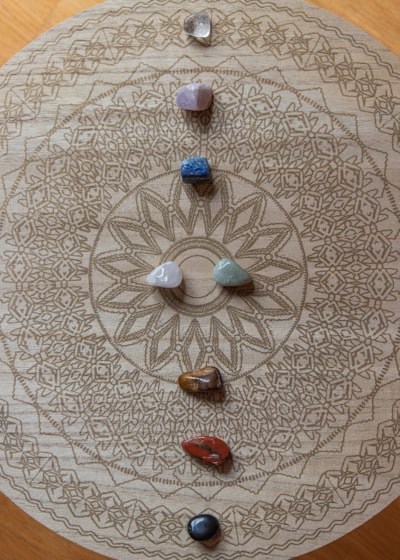
The relationship is also mirrored in the practice of balancing chakras, a concept rooted in Indian thought. Each color corresponds to the energy that resonates within a specific chakra, harmonizing the body, mind, and spirit.
The Science behind Color Therapy – Does it work with Chakras?
Through the use of projectors and specially designed light bulbs, therapists incorporate color into various therapy sessions. It works quite simply: exposure to colors.
It is deeply rooted in the principle of light frequency and vibration. Every color we perceive has a unique wavelength and energy which can influence our physical and emotional well-being. The foundations dwell in scientific theories and practices.
Color psychology, an emerging field of study, delves into understanding how colors can impact our emotions, thoughts, and behavior. It’s based on the premise that our perception of colors can evoke a wide array of psychological responses.
The core principle is the influence of color and the biological reaction in the human body. For example, the color red, associated with warmth and danger, can subtly increase the heart rate, imitating the body’s reaction to heat and danger. This exemplifies how closely related color and biological responses are.
By exposing individuals to certain color frequencies or visible light, either through direct exposure or guided therapy sessions with special light bulbs or projectors, color therapy can influence mood and behavior. This process works considerably on the mind-body connection, highlighting its integrative and holistic stance.
It also aligns with chakra balancing. Chakras, in Eastern philosophy, are considered energy centers within the body, each associated with a specific color. For instance, the root chakra is represented by red – aligning with stability and security, while the heart chakra is green – signifying love and compassion.
How Effective is Color Therapy? A Look at the Numbers
There are certainly assertions that color therapy can help reduce the symptoms of Seasonal Affective Disorder (SAD) by nearly 40%. When it comes to stress and anger management, color therapy has reportedly helped users reduce these destructive feelings by up to 37%. Moreover, color therapy sessions have assisted approximately 35% of users in achieving better sleep.
While these figures might seem promising, let’s highlight something crucial. Use of color requires a bit of patience and an open mind. Because the effects of color on psychological functioning can be subtle, they might not be immediately apparent. Some of the benefits can take a while to manifest, but when they do, they are often worth the wait.
These are broad percentages and everyone’s experience with color therapy can be different. Your personal response may be influenced by several factors, including your mental state, the nature of your problems, or your expectations. The effectiveness, like many holistic healing techniques, can be subjective.
The success should not be underestimated. The key is subtle but prolonged exposure. And when used in combination with other treatments or therapies, it can substantially aid in improving mental health and well-being.

The Global Acceptance of Color Therapy – A Worldwide Phenomenon
Acceptance has slowly but surely evolved over time. Today, it’s woven into the healing arts tapestry of many countries in both traditional and shared medical practices. It has gained recognition across the globe in the United States, Brazil, Canada, Germany, Australia, to name a few.
Usage has grown among therapists and holistic healers as well as psychologists and lifestyle coaches. From treating specific ailments to promoting general well-being, the application has diversified.
Advocates and practitioners across the globe, from American health clinics to Eastern wellness centers, use color therapy to tackle things like anxiety, depression, high blood pressure, and sleep disorders. Practicing vibrational healing with color, these experts found this to be a route to wellness and balance.
Bringing Color Therapy into the Light of Modern Medicine

Looking into the Future: Color Therapy in Western Medicine
In today’s world, you’d encounter color therapy in many alternative health clinics. It is gradually being recognized in western societies for its potential in holistic healing. Imagine a world where a quick fix to common ailments is as simple as being exposed to a certain color! Where instead of popping a pill, you turn on a light of a specific hue to improve your condition. That’s the promising future this holds for western medicine.
Let’s take blue for an example: Blue is widely associated with calm and tranquility. Today, some hospitals use blue light therapy in neonatal units to treat jaundiced newborns — a classic example of use in conventional medicine. Similarly, exposure to green light is being explored for its potential to relieve chronic pain. Imagine a future visit to the doctor that includes a prescription for a certain color as part of your treatment plan!
As with any alternative wellness modality, it is important to approach new methods like color therapy with an open yet discerning mind. The mind and body are intricately linked, and the mind has been proven to influence the body.
Exploring the Benefits of Color Therapy – Relaxation to Increased Energy
Do you remember the joy of seeing a vibrant rainbow after a storm, or the tranquil calm that washes over you when looking at a pastel sunset? The same theory applies which asserts that different colors can produce significant health benefits.
One paramount benefit is its potential for better stress management. Surrounding yourself with serene shades of blues and greens can help reduce the swirl of chaos in your mind, aiding in relaxation and promoting a calm state. These hues have been linked with decreased anger and boosted mood.
Colors also play a part in enhancing sleep quality. Blues and purples are believed to improve sleep, helping to mitigate insomnia.
Another fascinating aspect lies in the impact on conditions like Seasonal Affective Disorder (SAD). Those experiencing this often face depressive episodes during certain seasons, predominantly in the winter months. Introducing the right mix of colors during these periods can potentially decrease the prominence of symptoms.
Furthermore, it can boost energy regulation in our bodies. Vivid hues like reds and oranges are linked with heightened alertness and energy, potentially making these the perfect pick-me-up for those sluggish afternoons. See the potential healing properties below:
|
Color |
Associated Benefit |
|
Red |
Increases energy, stimulates body and mind |
|
Yellow |
Promotes feelings of happiness, improves concentration |
|
Blue |
Stress relief, calms and soothes |
|
Green |
Harmonizes, stimulates feelings of hope and renewal |
|
Purple |
Encourages creativity, calms the mind |
|
Orange |
Boosts confidence, stimulates warmth and enthusiasm |
What does a Color Therapy session look like?
The Rainbow Side Effects: What to Expect from Color Therapy
Just like any therapeutic treatment, there can be some side effects. However, they’re generally mild and short-lived.
Some individuals might experience a temporary increase in anxiety or restlessness as their bodies adjust to the stimulation. This is normal and usually subsides within a few sessions. Few others may find certain colors slightly discomforting or unsettling. Remember, these reactions are not necessarily negative. They suggest that the color is stirring up something within you, which is often the first step towards healing.
Color therapy involves extensive light exposure, which might cause mild headaches or eye strain in few individuals, especially those with light sensitivity. In such cases, it’s important to inform your practitioner, who can adjust accordingly.
The side effects are typically more associated with emotional reactions. It’s crucial to be open about your emotional well-being with your therapist. This transparency will ensure a safe and effective therapeutic journey.
Remember, as with any procedure, it’s important to get the advice of a trained color therapist, particularly if you’re under medication or have a history of mental health issues. This ensures the treatment is tailored to your specific needs, maximizing its effectiveness while minimizing potential side effects.
Keeping Safe: Crucial Considerations When Using Color Therapy
It’s essential to know a few safety considerations. Remember, treatment is deemed as a complementary, not a substitute, treatment. Therefore, one should not abandon conventional treatment methods entirely. It is best used alongside other treatment modalities for the best results.
Each individual has unique responses, and it’s crucial to acknowledge your personal reactions. For instance, red, known for its stimulating effect, may actually induce anxiety in some individuals. If a particular color doesn’t resonate well with you, don’t force the experience. Listen to your body.
Though it can offer effective results, it may not be ideal for severe medical conditions unless used as alongside conventional therapies. Conditions like depression, high blood pressure, and other severe ailments should not rely solely on this.
It is recommended to consult with a trained professional. They can guide you with appropriate use and techniques to guarantee the most suitable therapy plan for your needs. Venturing into the realm is a delightful adventure, but it’s important to do so responsibly, acknowledging both its limitations and its potential.
Mythbusters – Let’s Unravel Some of the Confusion
It’s time we addressed some commonly myths.
Myth 1: Color therapy is just for show, with no scientific basis.
Fact: Researcher articles like those of Attrill MJ, Gresty KA, Hill RA, Barton RA (Adaptive Effects of Seeing Green Environment on Psychophysiological Parameters When Walking or Running – PMC (nih.gov) and others published in reputed scientific journals attest to the scientific exploration of how color impacts our psychology and physiology. There’s also the work of Taylor C, Schloss K, Palmer SE, and Franklin A in 2013 (Affect-related influences on color perception (Chapter 32) – Handbook of Color Psychology (cambridge.org).
Myth 2: Only certain colors are useful.
Fact: Every color has its own unique vibration and potential benefits. Different colors serve different purposes and can be used depending on individual needs.
Myth 3: Color therapy claims to cure major diseases.
Fact: Colour therapy is a COMPLEMENTARY therapy. It is not intended to replace any medical treatment or act as a cure for serious diseases. Its primary aim is to improve overall wellness and help balance the body’s energy.
Myth 4: Color therapy is only about wearing colorful clothes and decorating.
Fact: It involves consciously utilizing color, whether through light, visualization, environment, or materials, to foster health and well-being. Don’t limit it to just your wardrobe or décor!
Is Color Therapy Right for You? Who Should Consider It
This ‘color medicine’ could be beneficial for:
- Stress or anxiety: The soothing effects of colors like blue or green can help regulate mood and promote calmness.
- Seasonal Affective Disorder (SAD): Exposure to specific hues can offset the effects and promote a more balanced emotional state.
- Difficulties with sleep: Certain shades, particularly those in the cooler spectrum like blue or purple, are known to enhance restful sleep.
- High blood pressure: It has been suggested that exposure to calming colors like green, blue, or violet can help lower blood pressure.
- Energy management: If you ever find yourself fluctuating between highs and lows, this might help stabilize your energy levels.
- Improve communication and relationships / personal growth: The energy of colors, particularly yellow and blue, can stimulate conversation and understanding.
People from all walks of life, and with various health concerns, have found some relief and improvement As always, it’s crucial to consult with a healthcare professional before starting any new treatment plan, but color therapy could be a vibrant addition to your wellness routine!
Additional Reading
A Critical Analysis of Chromotherapy and Its Scientific Evolution
What’s in a Color? The Unique Human Health Effects of Blue Light
The Mechanistic Basis of Chromotherapy: Current Knowledge and Future Perspectives