Ever feel like life is rushing by? Like you are trying to handle a lot of things while trying to breathe? Tai Chi Chuan may be your new best friend. This form of exercise not only helps your body move but also gives you calm and balance. Get ready to see how this old practice can improve your quality of life, one smooth move at a time.
Understanding the Essence of Tai Chi
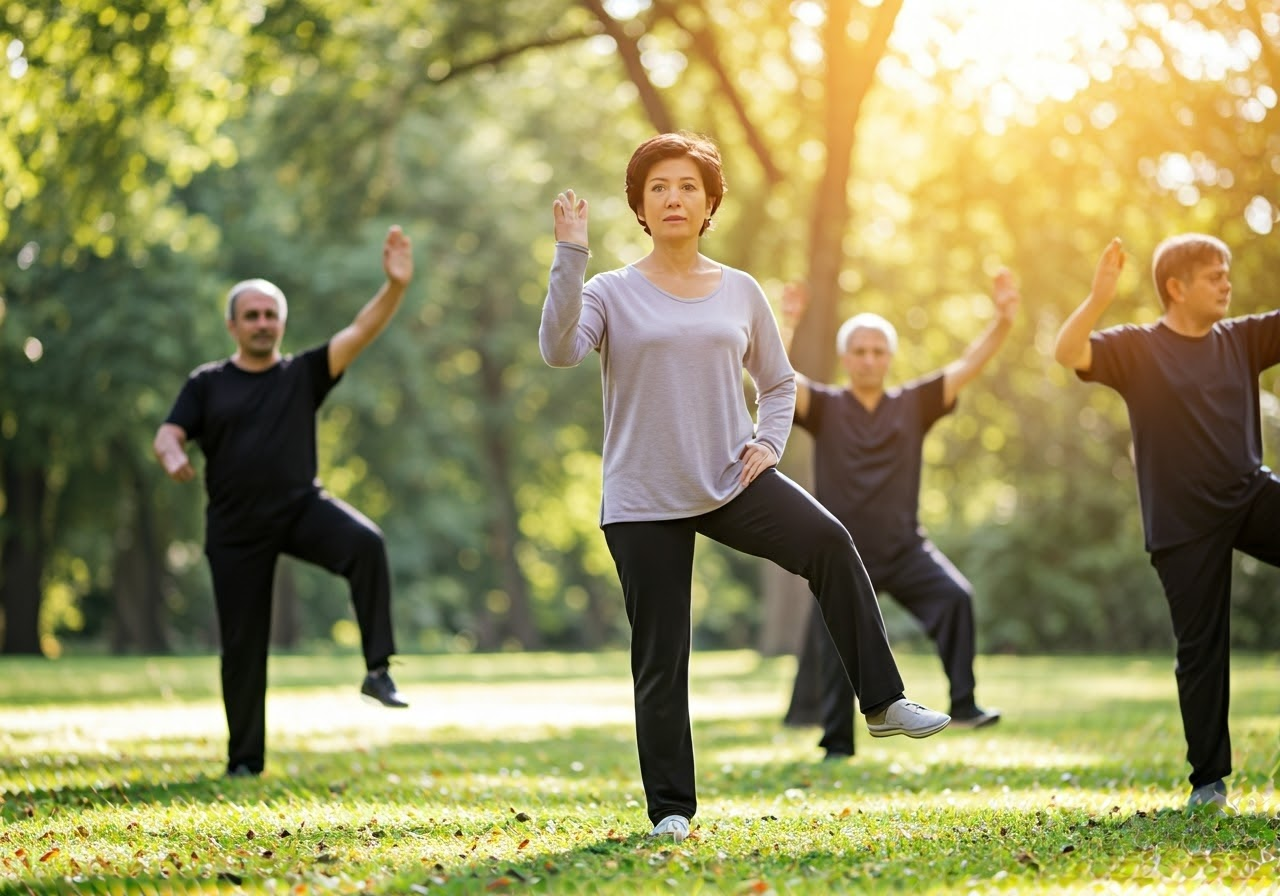
At its core, Tai Chi is about using ‘qi,’ which is your body’s natural energy or life force. Picture it as a soft stream that flows through you. Tai chi can help you clear any blockages so that energy can move easily.
The real charm is in its gentle strength. It’s not about bending your body in hard shapes but about moving with care and purpose. As you practice, you build internal power. This is a strong feeling that comes from deep inside you. It’s like finding your inner hero, but instead of a cape, you’ll show off some peaceful and calm energy.
The Origins and Historical Journey of Tai Chi
Tai Chi’s path has changed over time. Instead of focusing only on fighting, it has begun to highlight health and well-being. It took ideas from ancient Chinese philosophy, especially Taoism, and shows the idea of yin and yang, which is about finding balance in opposites.
Think of it this way: Just like light needs dark, Tai Chi sees that real strength is about balancing opposing forces within us. It is about finding a middle ground between trying hard and being relaxed, as well as being active and being calm.
Tai Chi is a Blend of Martial Arts, Meditation, and Medicine
Now, imagine if you could mix the best parts of martial arts, meditation, and medicine – you’d get Tai Chi. This practice has become popular in the United States, and there is a good reason for that. It offers something unique for everyone.
The great thing about Tai Chi is that the benefits are not just things people say. Clinical studies show that it significantly helps improve health and well-being, so it’s no surprise that it’s becoming popular in integrative medicine. This approach focuses on treating the whole person – mind, body, and spirit.
Some common essential principles of Tai Chi include:
- Focus on the mind – Use your mind to direct your movements and let your body follow
- Posture – Maintain a slightly depressed chest, upper back slightly bowed outward and the pelvis tucked under
- Relax shoulders and elbows and let go of physical tension
- Shift weight from one leg to the other as you move through postures
- Initiate movement from your hips, the source of your energy and power
- Tranquility – Tai Chi is a moving meditation
- Qi – Tai Chi emphasizes the flow of qi throughout the body
The Science Behind Tai Chi
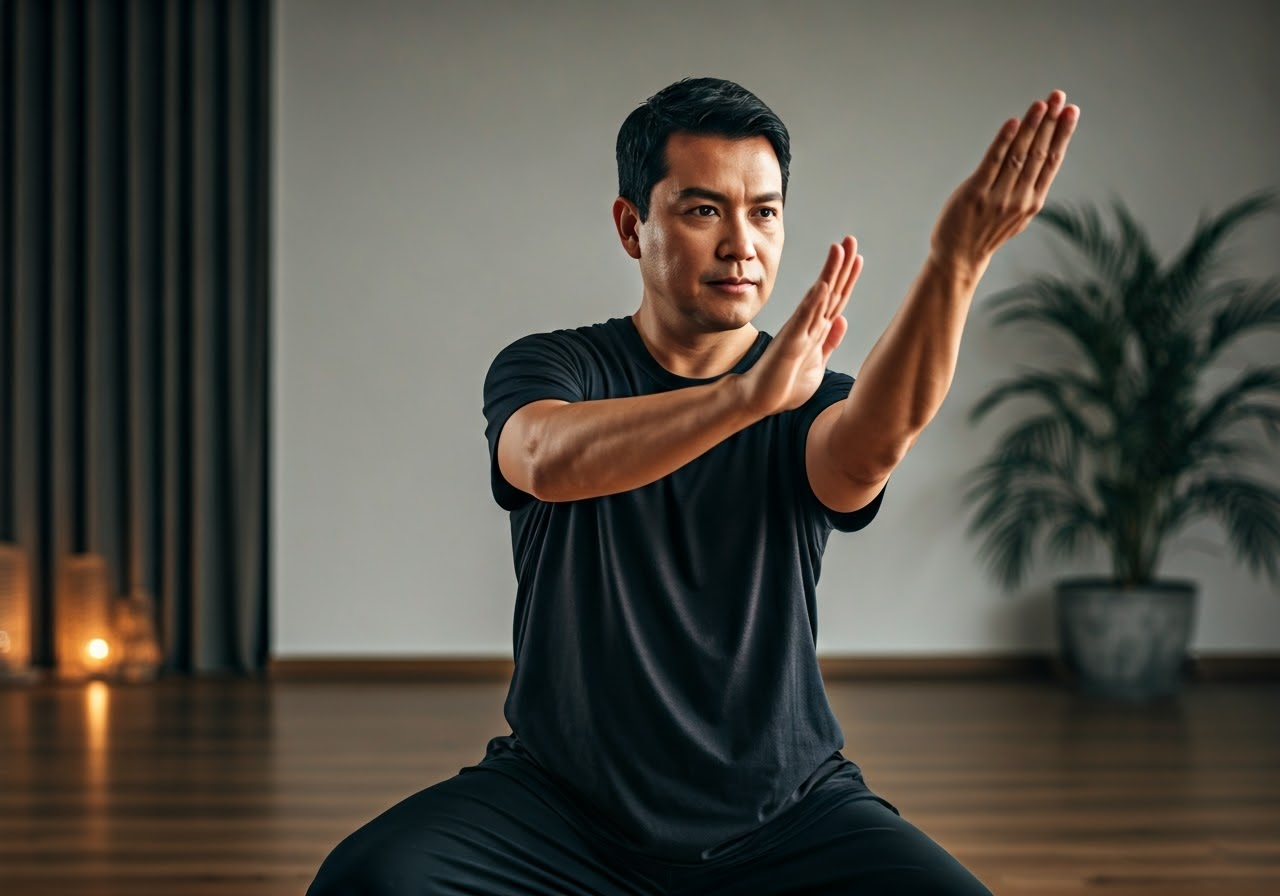
The gentle movements, along with deep breathing and mindfulness, bring about many good changes in your body. This includes better heart health, improved balance and coordination, and lower stress and anxiety. It’s like giving your body a full check-up, with Tai Chi helping you instead of a mechanic.
Exploring the Various Styles of Tai Chi
One of the best things is that it’s not the same for everyone. There are different styles of Tai Chi, and each one has its own feel and focus. It’s a bit like picking your favorite cup of tea. Whether you like a strong and energetic drink or a relaxing and gentle blend, there’s a style for you!
- Chen Style: The OG of Tai Chi, known for its dynamic mix of slow, flowing movements interspersed with bursts of power.
- Yang Style: The most popular style, emphasizing gentle, flowing movements perfect for beginners and those seeking stress reduction.
- Wu Style: Characterized by smaller, more compact movements and a focus on redirecting energy, making it a great choice for balance.
- Hao Style: Known for its emphasis on internal energy cultivation, it’s less common but highly regarded for its health benefits.
- Sun Style: A more modern style featuring lively stepping and higher stances, it’s considered particularly beneficial for older adults.
The best way to choose is to try a few classes and see which style speaks to you the most.
What are the Health Benefits of Practicing Tai Chi?

Published studies have shown that practicing Tai Chi has been shown to help the heart, make bones stronger, lower stress, and improve sleep. The best part is that anyone can do it, no matter their age or fitness level.
It is not just good for your body. It also helps your mind. Tai Chi practice aids in calming stress through its thoughtful and peaceful movements. When you focus on moving and breathing, you can feel more balanced and relaxed.
Tai Chi’s Role in Chronic Disease Management and Prevention
Tai Chi isn’t just about feeling good; it can help manage and even prevent chronic conditions and improving physical health.
For people with chronic conditions like arthritis, heart disease, or diabetes, it can make a big difference. Research shows that practicing it regularly can help lower pain, improve blood pressure, and increase mobility. It also helps prevent problems. By improving balance and strength, it can lower the risk of falls, which is a big worry for older adults.
How Long Does it Take to See Benefits from Practicing Tai Chi?
We all want to see results quickly. The good news is you don’t have to wait years to feel the benefits. Many people notice that their quality of life gets better within a few weeks of doing it regularly. If you are new to exercise, you might feel the positive effects even faster.
Can Tai Chi be Self-Taught or is an Instructor Necessary?
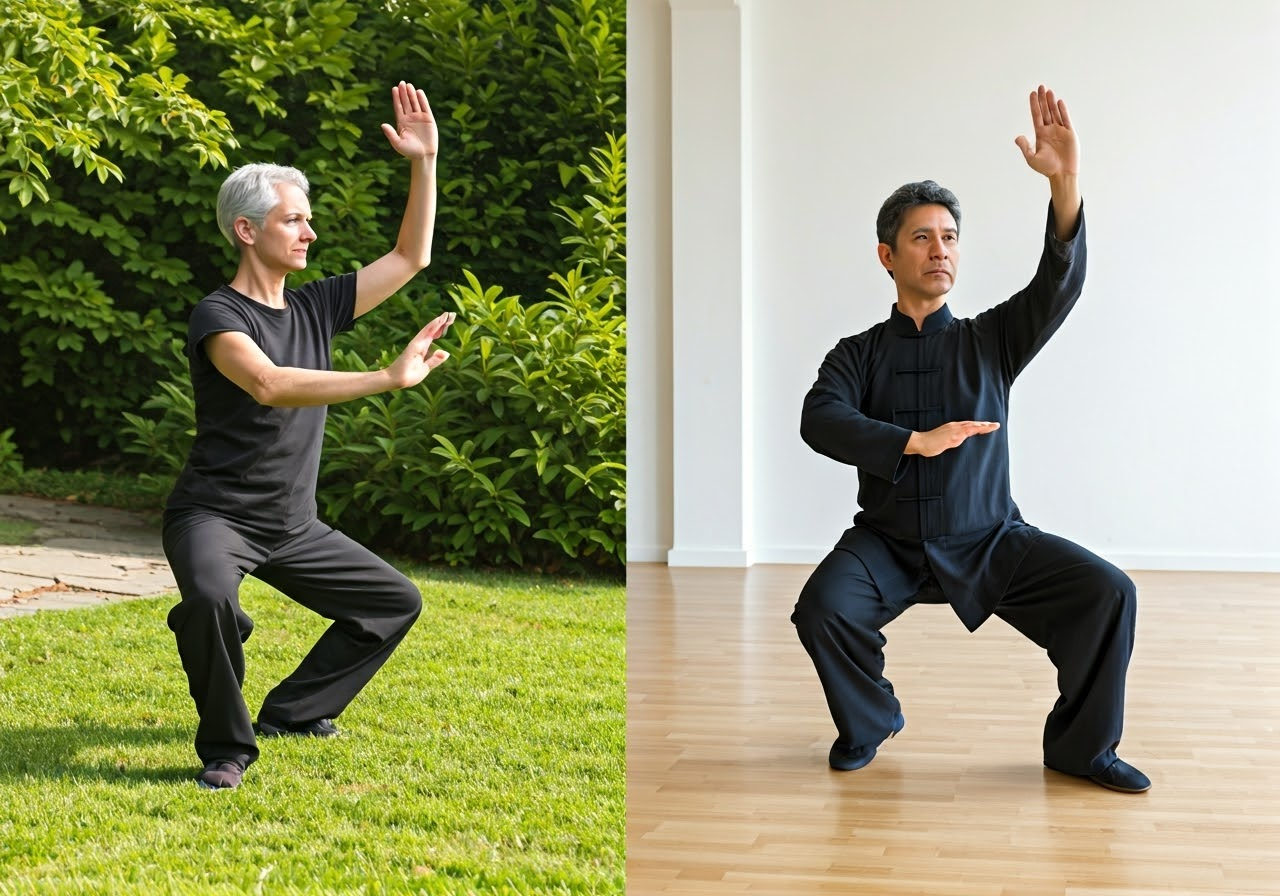
It’s great to include deliberate movements in your daily life, but experts, like those at the National Center for Complementary and Integrative Health, suggest that having a trained instructor, especially at first, is very important.
It is more than just imitating moves. It’s about understanding key ideas like alignment, breathing, and being mindful. A good teacher can help you with your form, fix posture issues, and make sure you practice safely. Also, having someone there to guide you and answer your questions can really make learning more enjoyable!
Potential Risks and How to Mitigate Them
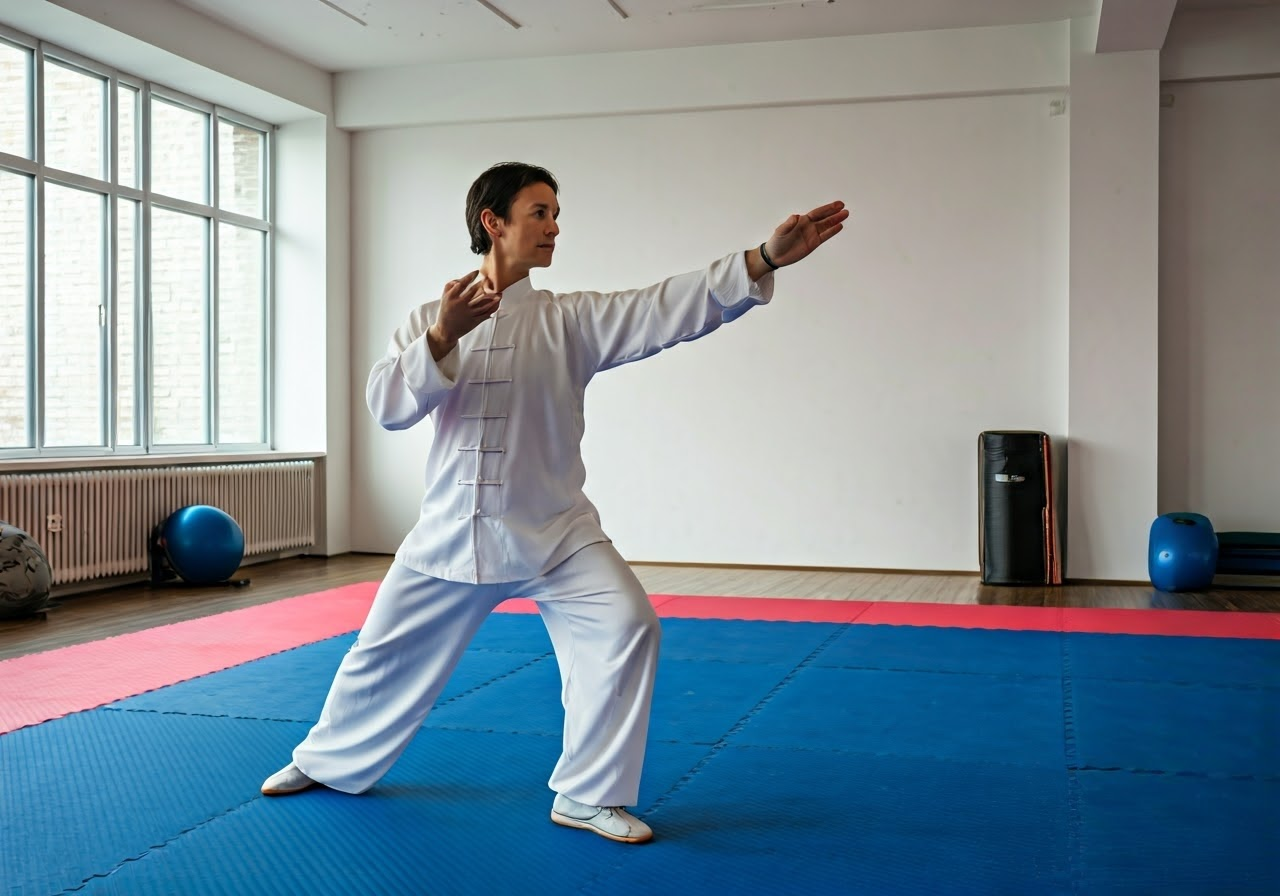
The good news is that Tai Chi is seen as a very safe exercise. This is especially true when you compare it to high-impact workouts.
Still, like any type of movement, it’s crucial to listen to your body. Do not push yourself too hard. Pay attention to how you feel and slowly make your practice tougher and longer as you get stronger and more flexible.
Understanding and Avoiding Common Injuries
The safety of Tai Chi is of the upmost importance. The most common issues are muscle soreness or stiffness, especially when you start. Remember those muscles we don’t usually use? Tai Chi likes to wake them up, which might cause some tenderness at first. The good news is, this usually goes away as you practice more and your body adapts to the movements.
To stay safe, pay attention to your body’s limits. Start slow and gradually boost the intensity of your practice. Talk to your instructor about any health issues you have, so they can change your movements if needed.
Preparing for Your First Session: What You Need to Know
Imagine walking into a calm space. There might be soft music and a gentle breeze. It might not be perfect, but the vibe is usually relaxed and friendly.
The class will probably start with gentle warm-up exercises. These will help you move and focus your mind. After that, the instructor will show you some basic forms of Tai Chi. They will break down the movements into easy steps. Don’t worry if you feel lost; everyone was a beginner at some point.
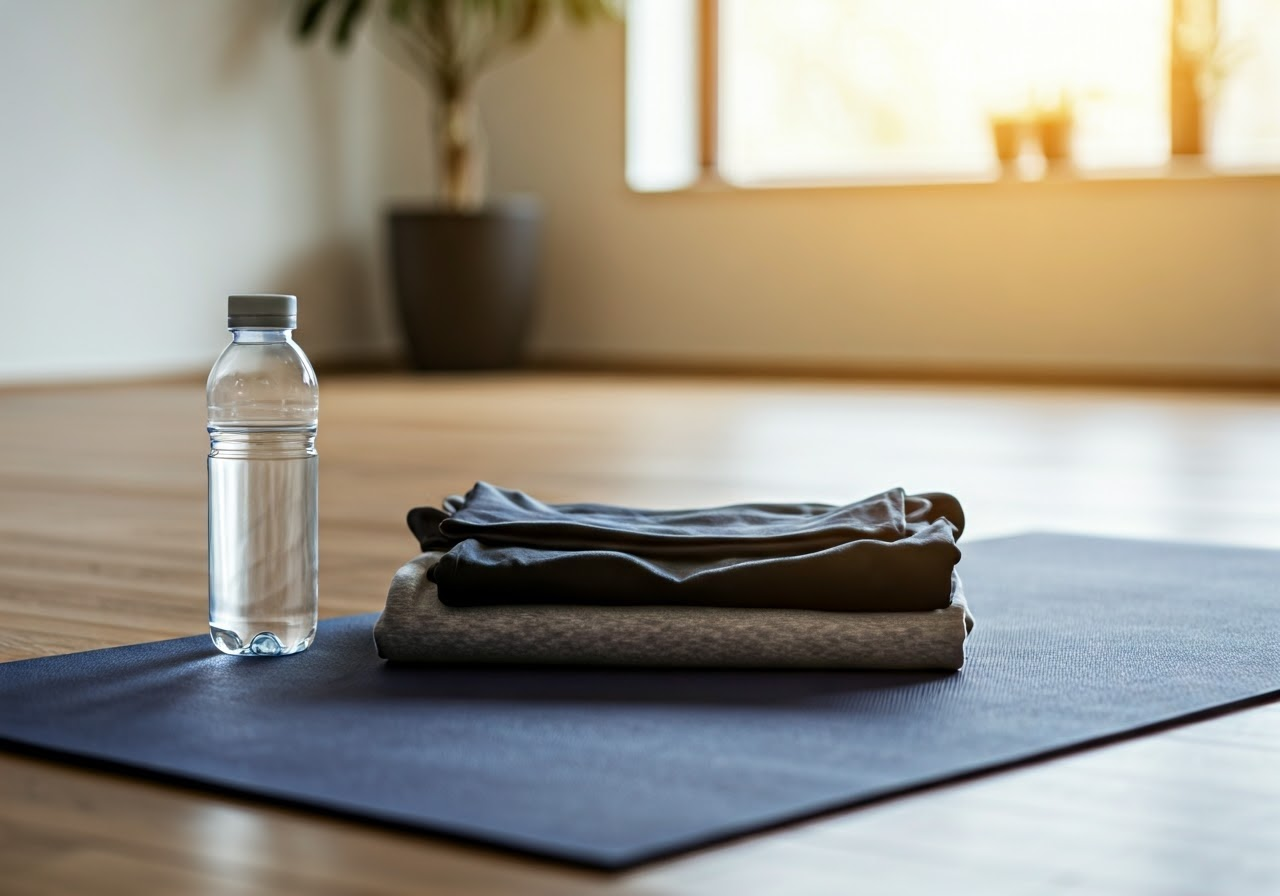
Tai Chi is not about being perfect. It’s about being aware and finding your own rhythm. It’s important to come with an open mind and be ready to learn. Wear comfy clothes that are easy to move in and bring a water bottle for hydration.
Finding the Right Instructor and Class
It’s like looking for a great hairdresser. You want someone who gets what you need and can help you reach your goals. The same goes for Tai Chi. A good instructor can change practice for the better.
First, do some research on the different styles. See which style feels right for you. Then, look for a Tai Chi class in your area and check reviews of the instructors. Feel free to ask friends or healthcare professionals for suggestions.
Essential Equipment and Resources for Beginners
Tai Chi is simple and doesn’t require many things. Unlike other forms of exercise, you do not need to spend a lot of money on fancy gear. You can start practicing with comfortable clothes you already own. All you need is something that lets you move freely.
As you keep practicing, you might want to buy Tai Chi shoes that are lightweight and have flat soles. They help you move easily and smoothly. However, in the beginning, your regular sneakers are perfectly fine.
For more helpful information, visit websites like the National Center for Complementary and Integrative Health where you can learn about the benefits, the risks, and how to start this ancient exercise.
Step 1: Mastering the Basics and Stances
Think of the basics as the building blocks for your practice. Just like a strong foundation is key for a good house, knowing the main principles will help you have a successful and fulfilling journey. This means getting to know important ideas like proper alignment, weight distribution, and mindful breathing.
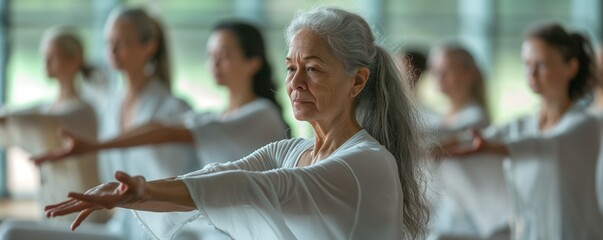
The stances are not just positions; they help you build balance, strength, and stability. You will learn about stances like the “Wu Chi Stance,” which is a neutral posture that grounds you, and the “Horse Stance,” which is a powerful position that makes your legs and core strong. At first, it may feel a bit odd, like balancing on a wobble board, but with time, you will feel stable and centered, both in your body and mind.
Keep in mind that Tai Chi is focused on finding a flow and ease in your movements. It is not about forcing yourself into strange positions but about finding a natural way to move with grace.
Step 2: Learning the Forms and Sequences
Are you ready to go beyond the basics and bring more flow to your practice? This is where the different forms of Tai Chi come in! You can think of forms as a series of movements that fit together nicely, much like a dance between your mind and body.
Your instructor will help you learn these forms at a speed that works for you. They will break down the movements into easy steps to follow. Don’t stress about memorizing everything right away. The goal is to enjoy the process and let your body learn the sequences over time.
As you practice, you will get more comfortable with the forms and understand the principles behind each movement. The more you practice, the smoother and easier your movements will be. This will help you feel more balanced and harmonious.
Step 3: Incorporating Breathing Techniques
A key principle is to match your breath with your movements. As you go through the forms, you’ll learn to breathe in rhythm with each motion. Inhale when you expand and exhale when you contract.
At first, it may feel tricky, like trying to pat your head and rub your stomach at the same time. But like all things, practice is key. The more you work on breathing with your movements, the easier and more natural it will feel.
Step 4: Practicing Regularly and Tracking Progress
Consistency is the key. Try to make it a part of your daily routine, even if it’s just for a few minutes.
Tracking your progress may seem a bit serious, like the charts from school, but seeing how much you’ve improved can be very encouraging. Celebrate those small wins! It doesn’t need to be hard – you can start a journal, use a fitness app, or just jot down your feelings after each session.
As you keep up your practice of Tai Chi, you will likely notice important changes in how your body and mind feel. You may have better balance, lower stress, or just discover that you feel more centered during the day.
Aftercare: Enhancing the Benefits Post-Session
So, you’ve just finished your session. Your body feels energized, and your mind is very clear. How can you keep that great feeling? Just like enjoying a mint after dinner, some simple aftercare can help you maintain the benefits and improve your well-being.
Think of this as a way to encourage those positive feelings to last longer. Your muscles might feel warm. You could try gentle stretches, mindful breathing exercises, or just spend a few moments enjoying the calm and grounding feelings you’ve built. It’s all about moving smoothly from your practice back into your day. Take those feelings of peace and energy with you.
Mindfulness and Meditation Practices
Mindfulness and meditation can work great with your practice. They support your mental health and let you carry those calm feelings even after you’re done practicing.
The principles focus on being in the moment. Mindfulness practices can make this ability even stronger. This might mean practicing gratitude, walking mindfully, or just paying attention to your breath during the day.
Meditation is different. It lets you pause your thoughts and help your mind take a break. It creates space for quiet, helping you find peace inside. This calmness can change how you see life.
Insurance Coverage and Accessibility
The good news is that it is becoming easier to access, with options for different budgets. Many community centers, gyms, and even senior centers offer low-cost Tai Chi programs.
Start by reaching out to your insurance provider. Ask them about coverage for wellness programs or alternative therapies. Some plans might surprise you with how open they are, especially since many see the benefits of Tai Chi. Be sure to speak up for yourself and ask about any specific rules or limits.
Also, groups like the National Center for Complementary and Integrative Health (NCCIH) can help you. Their website often has info on coverage options. They also share tips to find programs near you.
Additional Reading about Tai Chi
Randomized, Controlled Trial of Tai Chi for the Prevention of Falls
Effectiveness of Tai Chi on Fibromyalgia Patients
Tai Chi Exercise for Psychological Well-Being Among Adults with Cardiovascular Disease
Tai Chi and Qi Gong Therapies as a Complementary Treatment in Parkinson’s Disease
Effect of Tai Chi Alone or as Additional Therapy on Low Back Pain